
Carrying a fixed blade knife securely and accessible is essential for anyone relying on this tool for outdoor activities, survival situations, or daily tasks. This article explores practical ways to carry a fixed blade knife, considering factors such as convenience, safety, and situational appropriateness. Each method will be examined for its pros and cons, helping readers find the best carry option for their needs.
The Importance of Proper Knife Carry
Proper fixed blade knife carry goes beyond convenience. It ensures safety for yourself and others while keeping your knife readily available for use. A secure carry method minimizes the risk of accidental cuts, loss of the knife, and unwanted attention in public settings.
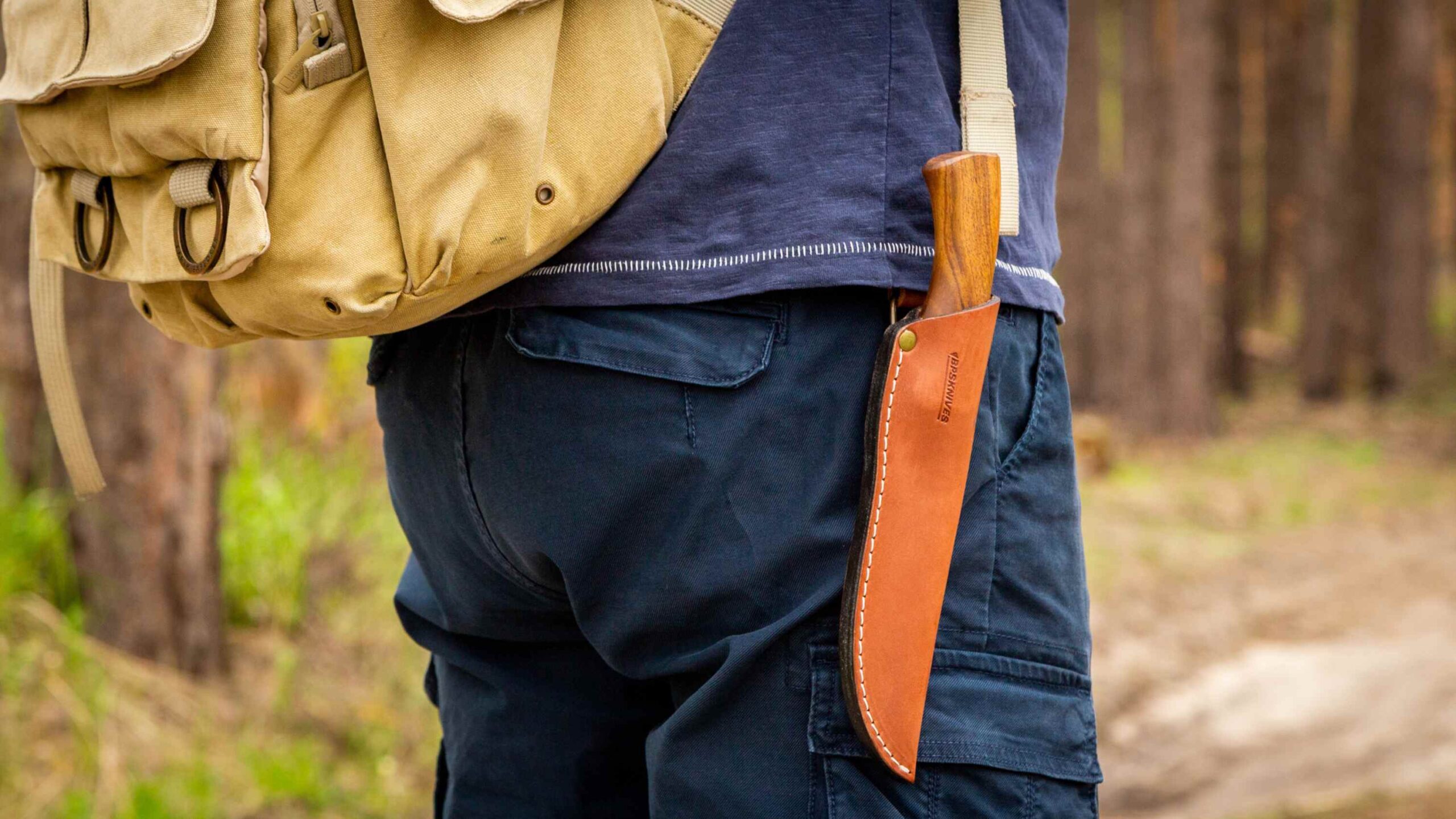
Traditional Belt Carry
This is a common and versatile carry option. The knife sheath is positioned on the belt, with two main variations:
- Horizontal Carry: The sheath sits flat against your belt, offering easy access while minimizing concealment under clothing.
- Vertical Carry: The sheath is positioned upright, providing a more natural grip for drawing the knife.
Tips for Secure Belt Carry
- Use a high-quality sheath made from durable materials like Kydex or leather.
- Ensure the sheath securely retains the knife and has a belt loop or attachment system that fits your belt width.
- Choose a carry position that minimizes discomfort while allowing for a smooth knife draw.
Inside the Waistband (IWB) Carry
IWB carry positions the knife sheath discreetly within your waistband.
- Considerations for Comfort: IWB carry can be comfortable with the right holster and placement. However, it may not be ideal for strenuous activity or extended periods of sitting.
- Selecting the Right Sheath: Opt for a slim, high-quality IWB sheath that conforms to your body for comfort and concealment.
Boot Carry
A boot knife is a small, fixed blade knife specifically designed for boot sheath carry. This method offers discreet carry but may not be suitable for larger knives.
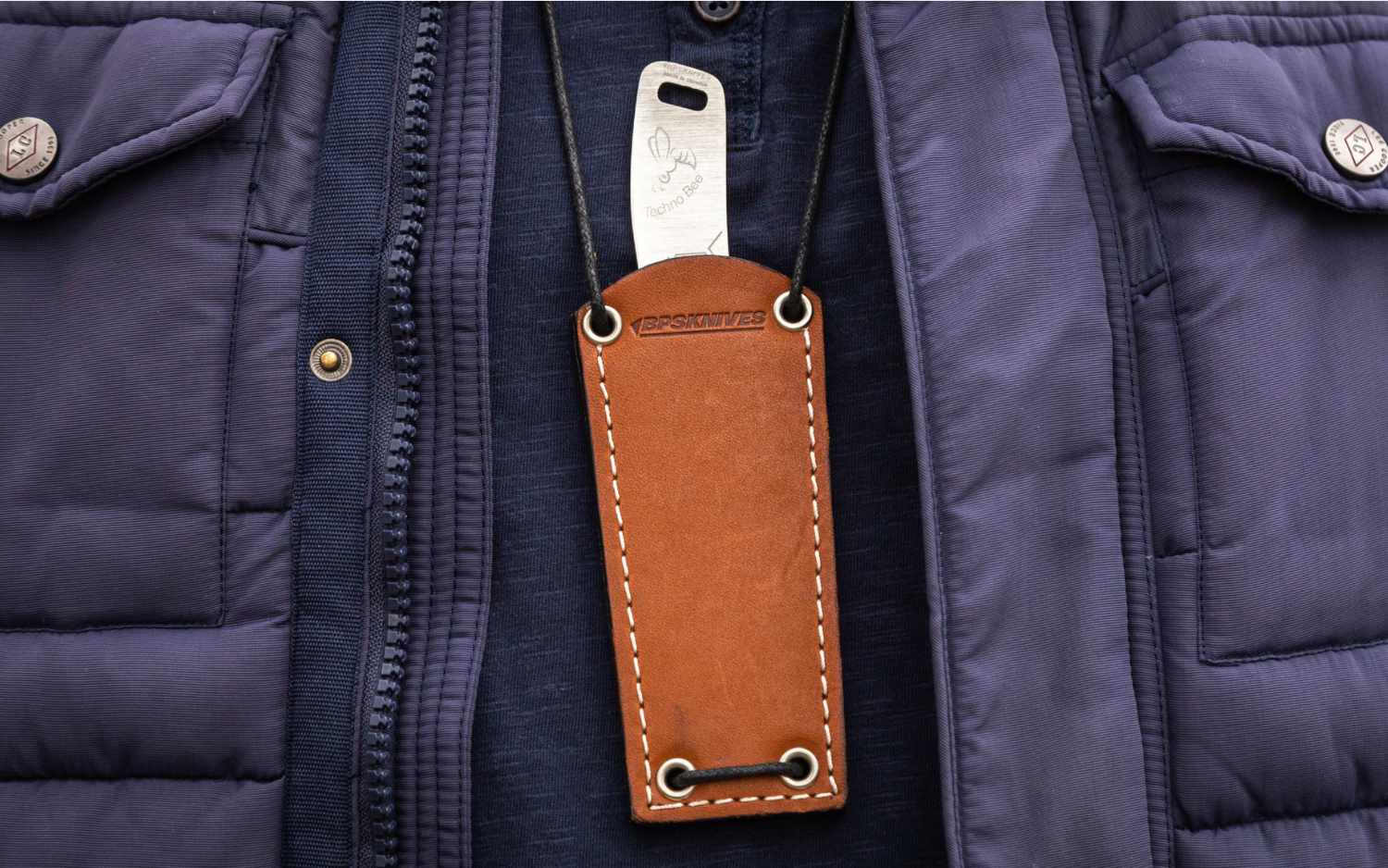
Neck Carry
Neck carry involves wearing the knife sheath around your neck on a lanyard. While it provides quick access, it is not ideal for all situations and may raise safety concerns. An example of such a knife is the Techno Bee SSH by BPS Knives.
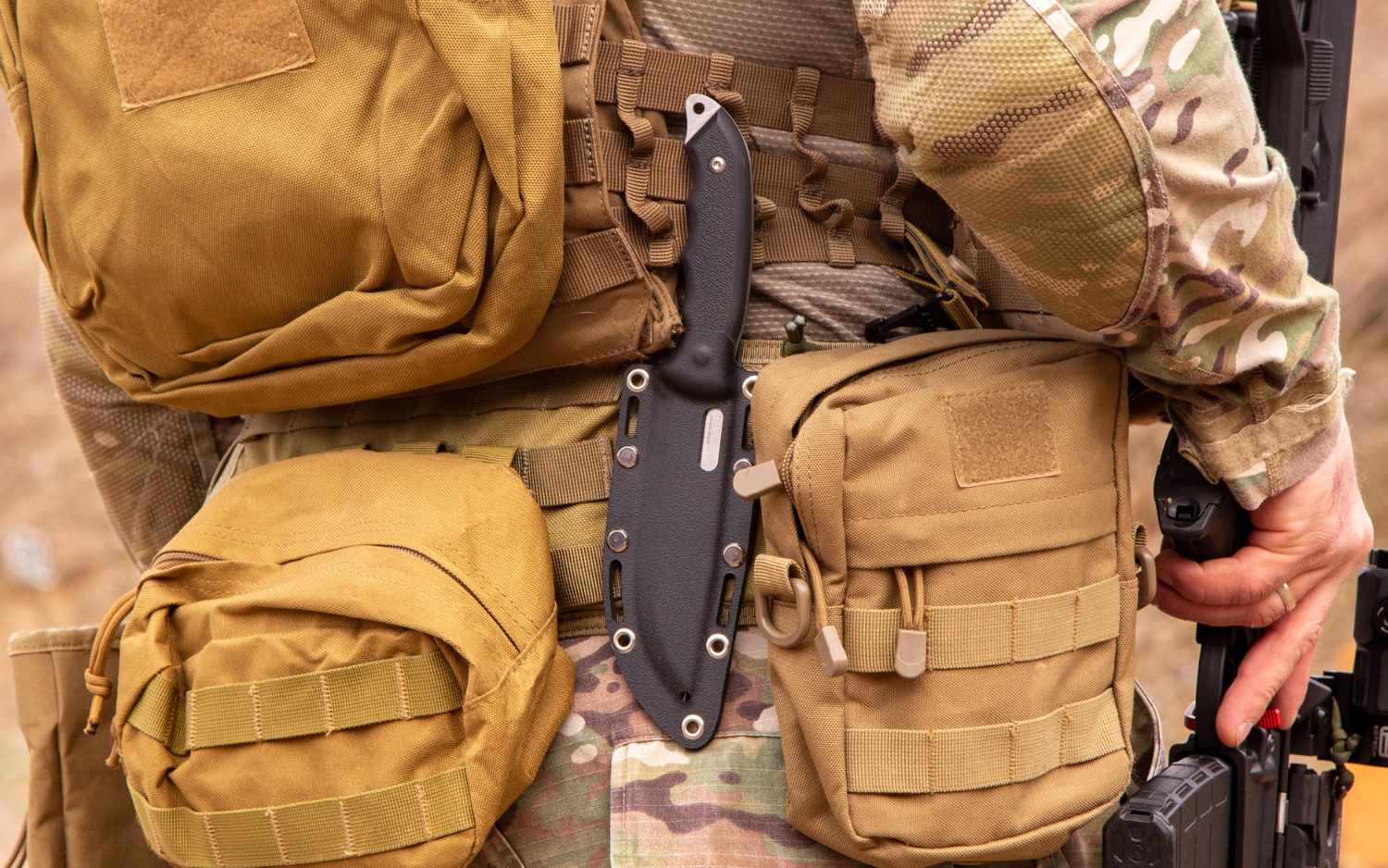
Backpack or Pack Attachment
Sheaths with MOLLE (Modular Lightweight Load-carrying Equipment) compatible attachments allow secure lashing to your backpack or plate carrier. This is a great option for backpackers and outdoors enthusiasts. The Raven SSH by BPS Knives has such an attachment.
Shoulder or Chest Harness Carry
A dedicated shoulder or chest harness distributes the weight of a larger fixed blade knife comfortably and keeps it readily accessible.
Arm or Ankle Carry
These methods are less common due to potential safety issues and difficulty in accessing the knife quickly.
Customized Carry Options
Creative knife users may explore custom carry options like pocket knife sheaths adapted for fixed blades or thigh holsters.
Hidden Carry Methods
Some advanced carry options include concealed carry methods such as belly band holsters or inside-the-leg holsters. These methods offer maximum concealment but may require specialized training for safe and effective use.
Choosing the Right Carry Method for You
The ideal carry method depends on several factors:
- Knife Size and Weight: Larger knives may be uncomfortable for IWB or neck carry, while smaller knives might disappear in a backpack sheath.
- Activities: Strenuous activities may favor belt carry, while backpack carry is ideal for hiking.
- Clothing and Concealment: Consider your typical attire and how well it conceals the knife in different carry positions.
- Local Laws: Be aware of any laws regulating fixed blade knife carry in your area.
Final Thoughts
Carrying a fixed blade knife is a personal choice that should be made with careful consideration of individual needs and preferences. By understanding the various carry options available and selecting the best method for your situation, you can ensure the safe, comfortable, and accessible transport of your essential cutting tool.
Additionally, it is crucial to familiarize yourself with local laws and regulations governing the carry and use of fixed blade knives in your area. Responsible and legal knife carry is essential for maintaining safety and fostering a positive public perception of these valuable tools.