
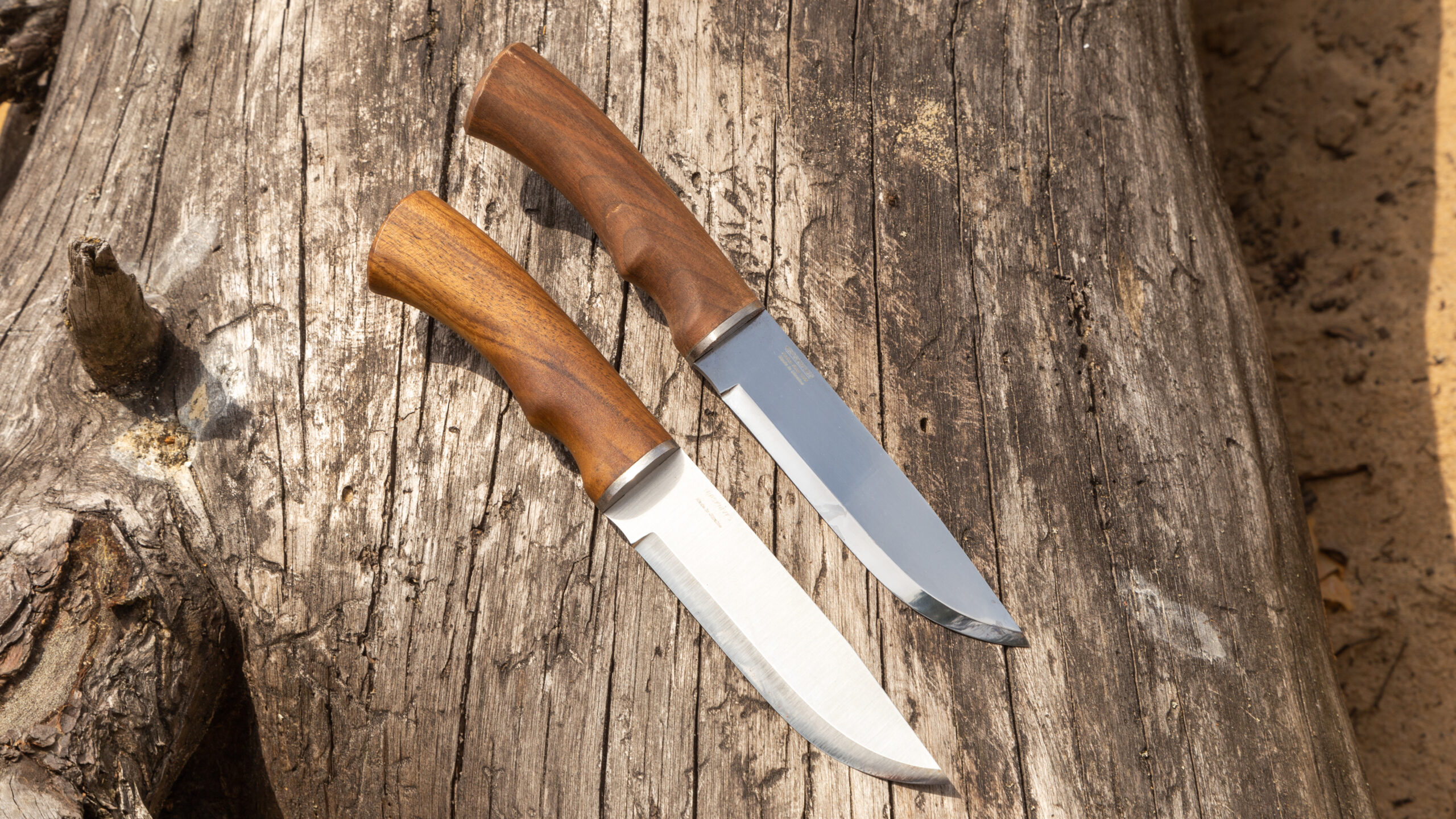
Knife-making is an art that requires a lot of time, effort, and knowledge. Choosing the right steel for the blade is one of the most crucial elements in making a knife. It determines the sharpness, durability, and overall performance of the blade.
With so many steel types available, choosing the right one for your knife can be overwhelming. That’s why we’ve compiled a list of the top steels for knife blades to help narrow down your options and make an informed decision.
6 Top Performing Steels for Knifemaking
There are many different types of steel that are suitable for knife blades, and the choice of steel will depend on the specific requirements of the knife. Some of the most popular steels used for knife blades include:
1066 Carbon Steel


1066 carbon steel is a type of high-carbon steel often used in producing knives and other cutting tools. It contains approximately 0.60-0.71% carbon and small amounts of other alloying elements such as manganese, phosphorus, and sulfur.
1066 carbon steel is known for its high hardness, toughness, and durability, and it is often used in the production of heavy-duty knives and blades that require a high level of strength and durability. It is also relatively easy to sharpen, making it a popular choice for outdoor and survival knives.
However, it’s worth noting that 1066 carbon steel is not as corrosion-resistant as some other types of steel, such as stainless steel. It may rust and corrode if not properly cared for, so it’s important to keep knives made from this type of steel clean and dry when not in use and to oil the blade regularly to prevent rust and corrosion.
S30V Steel
S30V is premium-grade stainless steel that is commonly used in high-end knives and other cutting tools. It was developed by Crucible Industries in collaboration with knifemaker Chris Reeve and was first introduced in 2001.
S30V steel is known for its excellent balance of edge retention, toughness, and corrosion resistance. It contains high amounts of carbon, chromium, and vanadium, which contribute to its hardness and wear resistance. The addition of molybdenum also helps to improve its corrosion resistance. This steel is often used in tactical and hunting knives due to its toughness and durability.
One of the unique features of S30V steel is its use of vanadium carbides, which are extremely hard and provide additional wear resistance. This makes S30V steel particularly well-suited for applications that require prolonged use without the need for frequent sharpening.
While S30V steel is a high-performance steel, it can be difficult to work with due to its hardness. It requires specialized equipment and expertise to shape and finish properly. In addition, it may be more expensive than other steels due to its high performance and the difficulty involved in working with it.
D2 Steel

D2 steel is a high-carbon, high-chromium tool steel that is often used in the production of knives and other cutting tools. It contains approximately 1.5% carbon, along with significant amounts of chromium (around 12%), molybdenum (around 1%), and vanadium (around 0.8%).
D2 steel is known for its high hardness, toughness, and wear resistance, making it a popular choice for knives that need to withstand heavy use and abuse. It can hold a sharp edge well and is relatively easy to sharpen when needed.
However, D2 steel is not as corrosion-resistant as some other types of steel, such as stainless steel, and it may rust or tarnish if not properly cared for. It is also more difficult to work with than some other steels, which can make it more expensive to produce knives made from this material.
Overall, D2 steel is a good choice for knives that need to be durable and tough, but it may not be the best choice for knives that will be exposed to corrosive environments or that require a high level of rust resistance. It’s often used for hunting knives and high-end chef knives.
5Cr14MoV Steel


5Cr14MoV steel is a type of martensitic stainless steel that is often used in the production of knife blades and other cutting tools. It contains approximately 0.5% carbon, along with chromium (14%), molybdenum (0.6%), and vanadium (0.2%) as its main alloying elements.
This type of steel is known for its good combination of hardness, toughness, and corrosion resistance. It is relatively easy to sharpen and maintain and can hold an edge well under normal use. The addition of molybdenum and vanadium provides additional strength and toughness to the steel.
5Cr14MoV steel is commonly used in the production of budget-friendly knives and other cutting tools. While it may not have the same edge retention or corrosion resistance level as more expensive steels, it is a good choice for those who want a reliable knife at an affordable price. It is also easy to work with and can be heat-treated to achieve different levels of hardness and toughness.
VG-10 Steel
VG-10 is a high-quality stainless steel that is commonly used in knives and other cutting tools. It was developed in Japan by Takefu Special Steel Company and has been widely used in Japanese kitchen knives and other high-end knives.
VG-10 steel is known for its excellent edge retention and corrosion resistance. It contains high amounts of carbon, chromium, cobalt, and vanadium, which contribute to its hardness, toughness, and wear resistance. Adding cobalt also helps improve its hardness and wear resistance, while vanadium carbides provide additional wear resistance.
One of the unique features of VG-10 steel is its fine-grained structure, which allows for a very sharp and durable edge. It also has good stain resistance and can be polished to a high luster.
VG-10 steel is relatively easy to work with and can be sharpened easily with a good sharpening stone. It is also known for its ability to take a sharp edge and maintain it for long periods of use.
Overall, VG-10 steel is a high-quality steel well-suited for applications requiring excellent edge retention and corrosion resistance. It is a popular choice among professional chefs and knife enthusiasts. However, VG-10 steel knives can be expensive.
Damascus Steel
Damascus steel is a type of steel that has been used for centuries in the Middle East and South Asia for making high-quality swords and other weapons. It is characterized by distinctive banding and mottling patterns caused by the way the steel is made.
Traditionally, Damascus steel was made by forging together two or more different types of steel, typically hard, high-carbon steel and softer, low-carbon steel. This process created a material with a unique combination of properties: the hard steel provided a sharp edge, while the softer steel made the blade more durable and less likely to break.
In addition to its functional properties, Damascus steel was prized for its beauty. The distinctive patterns created by the forging process gave the steel a unique appearance that was highly valued by sword makers and collectors.
Today, there is some debate over traditional Damascus steel’s exact composition and manufacturing process, as the knowledge of how to make it has been lost over time. However, modern techniques have been developed to replicate the appearance and properties of Damascus steel, using a variety of different alloys and forging methods.
Damascus steel is known for its strength, durability, and resistance to rust. However, because it’s a handmade process, Damascus steel knives can be quite expensive.
Final Thoughts
It’s important to note that many other excellent sheets of steel are suitable for knife blades, and the choice of steel will depend on the knife’s intended use, the desired level of performance, and the budget.
Choosing the right steel for your knife blade is essential in determining its performance, durability, and overall value. By considering the primary factors such as hardness, corrosion resistance, and ease of sharpening, you can narrow down your options to the top steels for knife blades. Consider your intended use and budget before making a final decision. Remember, a knife is only as good as the steel it’s made from, so choose wisely.