
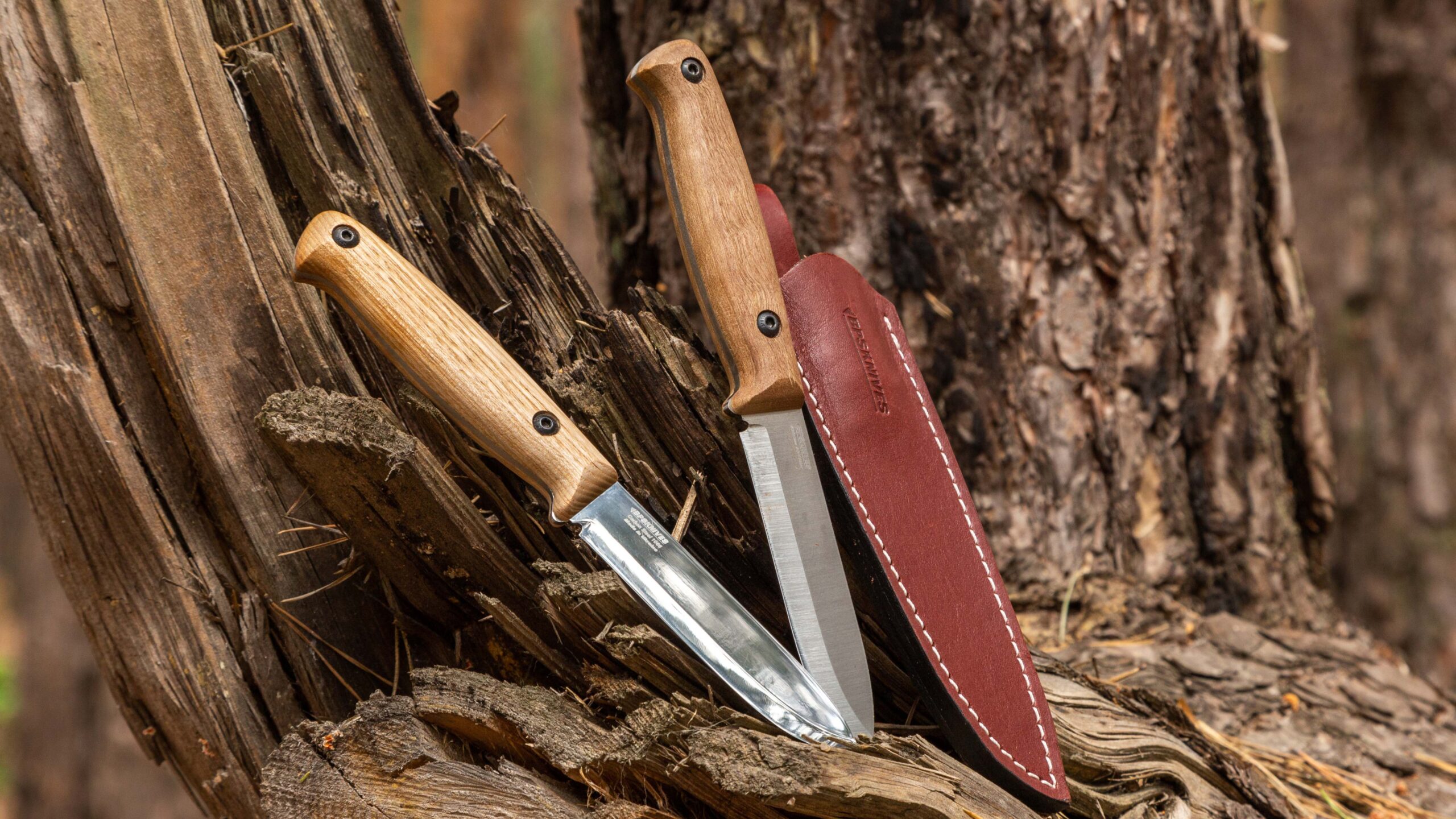
Choosing the appropriate wood type is essential for creating an effective and dependable knife. This decision influences both aspects of the knife’s production: the handle not only determines the knife’s functionality but also its aesthetic appeal and tactile experience.
Thus, selecting the correct type of wood, along with other materials, plays a crucial role in obtaining the desired outcome. In this article, we’ll delve into the variety of materials available for knife handles and pinpoint the wood types that stand out as the most appropriate. This guidance is tailored for you, the discerning buyer, seeking the best in both functionality and aesthetics for your knife selection.
How Are Wood Handles Made?
Making of wood handles is a complex process that consists of several stages. Some of the main stages include:
- Selection of Wood: The first step involves choosing the right type of wood based on durability, grain, color, and resistance to moisture.
- Cutting and Shaping: Once the wood is selected, it is cut into blanks that roughly match the shape of the knife handle. These blanks are then meticulously shaped to fit the knife’s tang, the metal part of the knife that the handle attaches to.
- Sanding and Polishing: After shaping, the wood handles are sanded to smooth out any rough edges and to bring out the natural grain of the wood. Polishing gives the handles a finished look, enhancing their natural colors and patterns.
- Sealing and Finishing: To protect the wood from moisture and environmental damage, the handles are sealed with oils, varnishes, or resins. This finishing stage not only preserves the wood but also adds to the handle’s aesthetic appeal.
- Attachment: The final stage involves securely attaching the finished wood handle to the knife’s tang. This requires precision to ensure a snug and safe fit, which is often achieved through pins, epoxy, or other fastening methods.
The process of creating wood handles for knives is an art that requires skill, precision, and an understanding of the material. Each step, from selecting the ideal wood to attaching the finished handle, plays a pivotal role in producing a knife that is not only beautiful but also functional and durable.
Top Wood Choices
Here are some of the types of wood that are considered to be the best for knife handles and some of the specifics you want to consider before using them for knife handles. If you make the right choice, the knife will be a highly practical and helpful tool.
Hardwoods
Examples: Oak, Maple, Walnut
Advantages:
Durability: Hardwoods are, by nature, dense and durable, making them capable of withstanding heavy use without damage.
Workability: Despite their density, these woods are relatively easy to shape and customize for handles.
Aesthetics: Hardwoods often have beautiful, intricate grain patterns that add a unique appeal to knife handles.
Disadvantages:
Weight: Their density can make hardwood handles heavier, which might not be ideal for every user.
Maintenance: Hardwoods can be sensitive to moisture and may require regular oiling or sealing to maintain their appearance and integrity.
Stabilized Woods
Examples: Stabilized Maple, Birch, or Beech
Advantages:
Moisture Resistance: Through the stabilization process, where wood is impregnated with a special resin, these woods gain significant resistance to water and humidity.
Durability: The added stability makes these woods less prone to warping or cracking over time.
Enhanced Colors and Patterns: Stabilizing can enhance the natural color of the wood or add vibrant pigments, creating striking patterns and hues.
Disadvantages:
Cost: The process of stabilizing wood adds to its cost, making stabilized woods more expensive than their natural counterparts.
Workability: The added resin can make the wood harder to work with, requiring specialized tools for shaping and finishing.
Exotic Woods
Examples: Cocobolo, Ebony, Zebrawood
Advantages:
Unique Aesthetics: Exotic woods offer distinct and often dramatic grain patterns and colors not found in domestic woods.
Rarity: Using an exotic wood can make a knife handle feel more luxurious and unique due to its rarity.
Durability: Many exotic woods have natural oils that add to their durability and resistance to wear.
Disadvantages:
Cost: Exotic woods can be significantly more expensive due to their rarity and import costs.
Ethical and Environmental Concerns: Some exotic woods come from endangered sources or are harvested unsustainable, raising ethical and environmental issues.
Care and Maintenance: Like other woods, exotic varieties may require special care to maintain their appearance and properties.
BPS Knives Choice
In crafting their knives, BPS Knives carefully selects from a variety of wood types to match the quality and aesthetic appeal of each blade. Here, we dive into the specifics of these woods and highlight how they are utilized in BPS Knives’ collection.
Walnut
Use in BPS Knives: Widely used in different knives, including the company’s bestseller, the Adventurer CSHF.
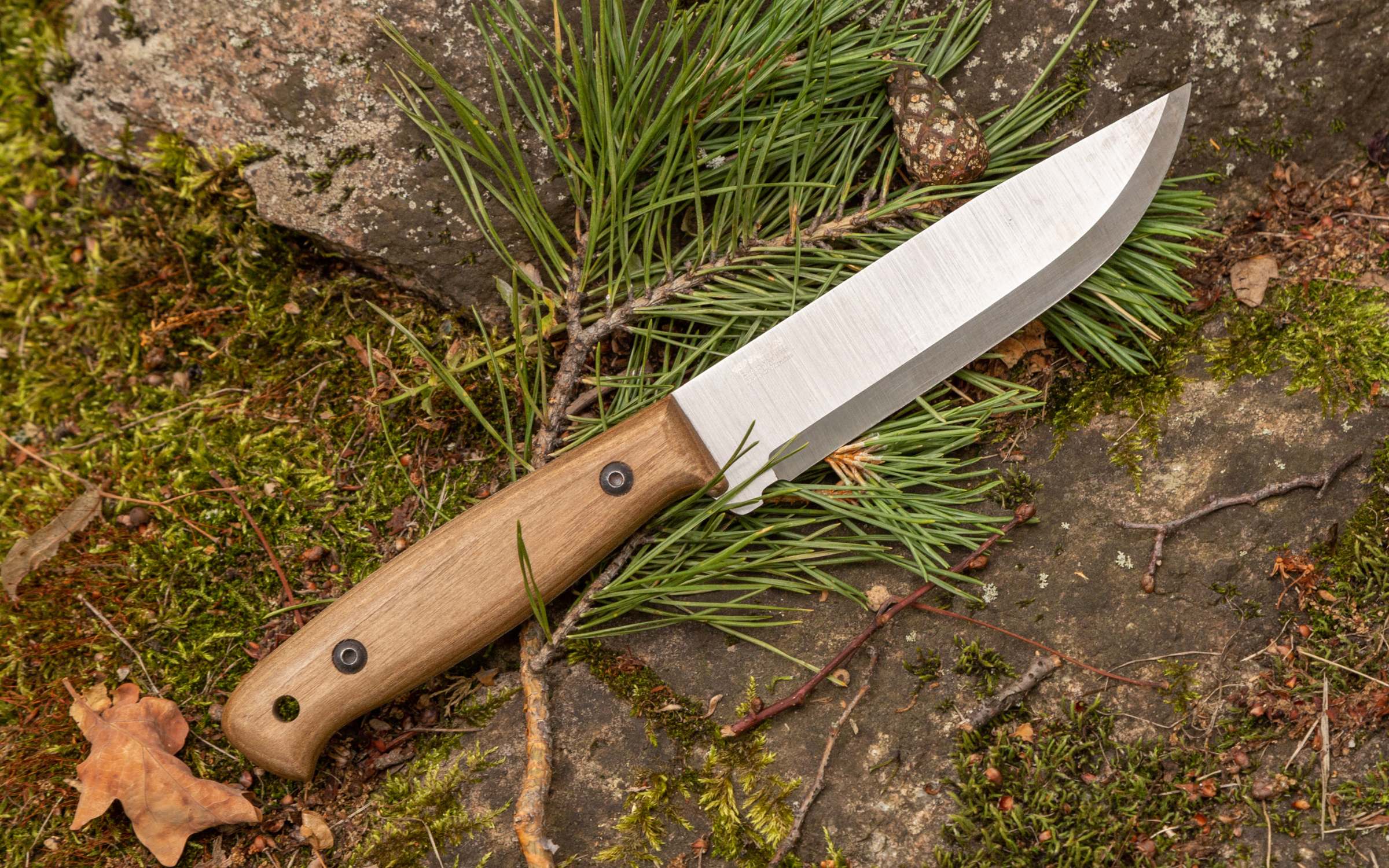
Walnut wood is prized for its rich color, straight grain, and durability, making it an excellent choice for knife handles. Its deep, chocolatey tones convey a sense of elegance and strength, complementing the robust nature of knives like the Adventurer CSHF. Besides its appealing look, walnut wood provides a firm grip, essential for the precise and safe use of the knife in various conditions.
Padauk
Use in BPS Knives: Featured exclusively in the set, designed by Fred Perrin – Hunter Set FP.
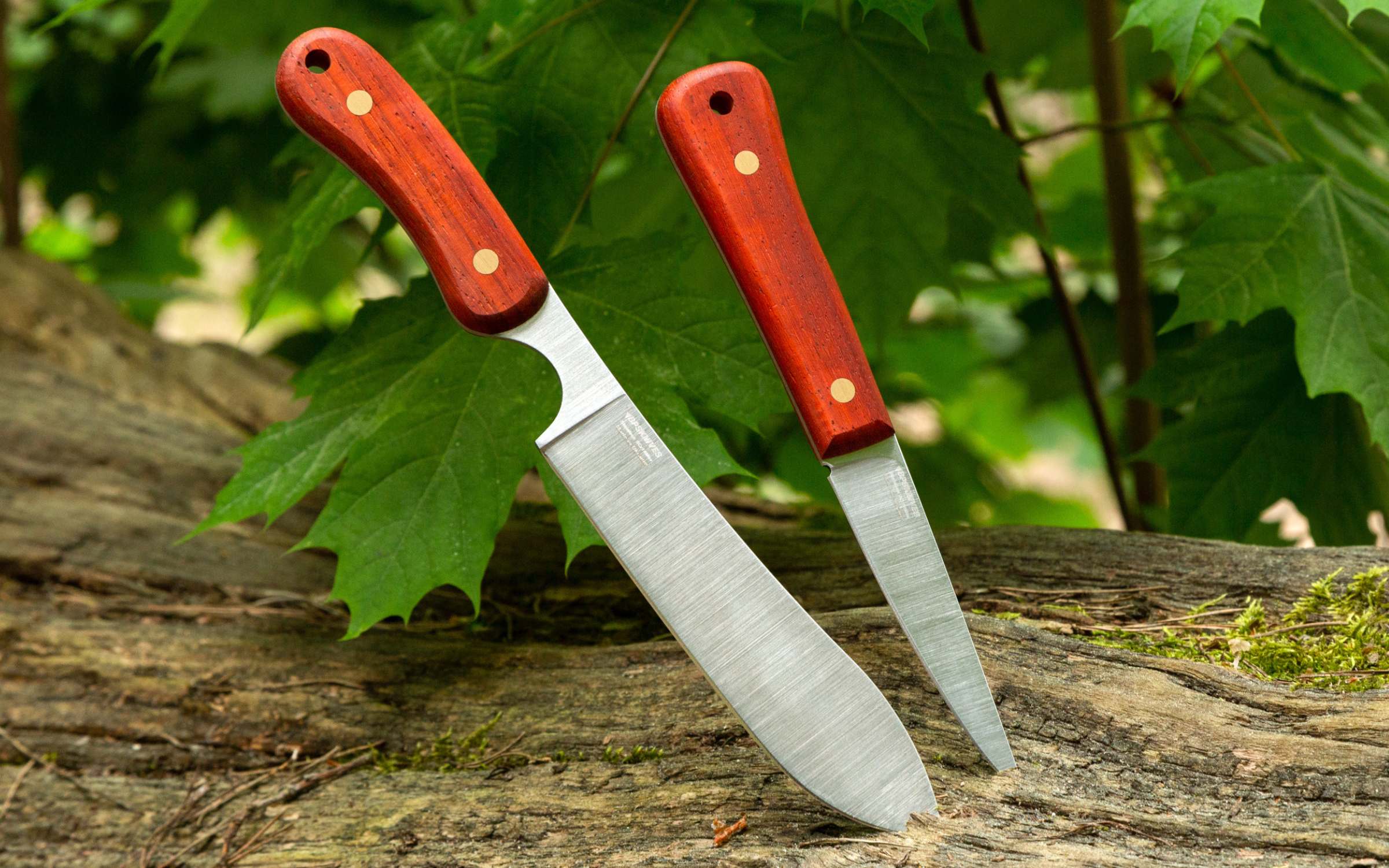
Padauk stands out for its vibrant color and resistance to decay and moisture, traits that are critical for outdoor and hunting applications. Its presence showcases BPS Knives’ commitment to employing high-quality materials that serve a functional purpose.
Bog Oak
Use in BPS Knives: Incorporated into the black version of the Adventurer CSHF – the Nighthawk Adventurer and the Savage CSH model.
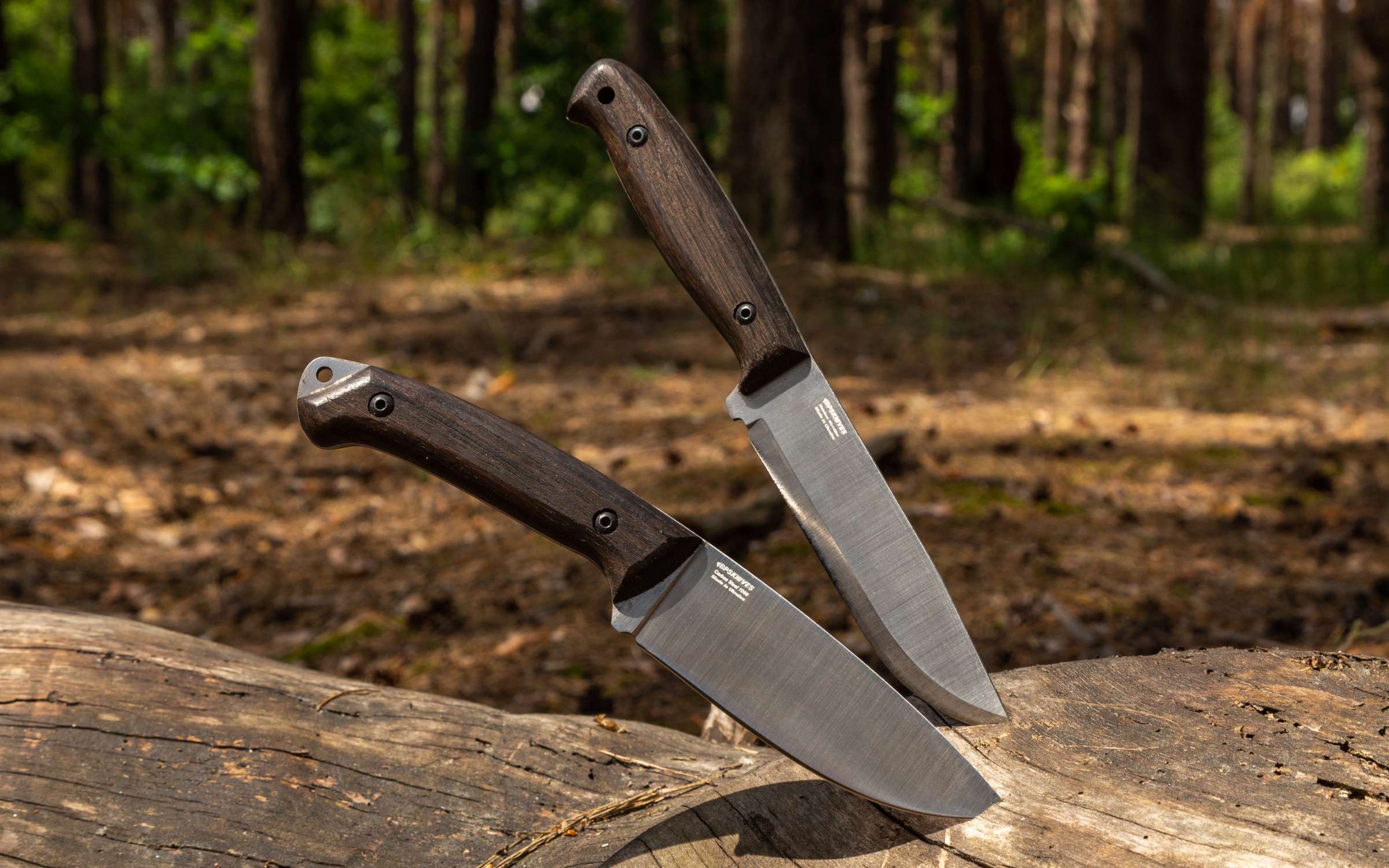
Bog Oak is a rare and ancient wood type, preserved for thousands of years in peat bogs. This wood is especially valued for its dark, almost black coloration and its exceptional hardness. It brings a touch of antiquity and mystery to the Nighthawk Adventurer and Savage CSH models. The dense nature of Bog Oak ensures a solid, long-lasting handle that withstands the rigors of extensive use.
Ash Wood
Use in BPS Knives: Found in the carbon-bladed knife, the BS1FT CSH.
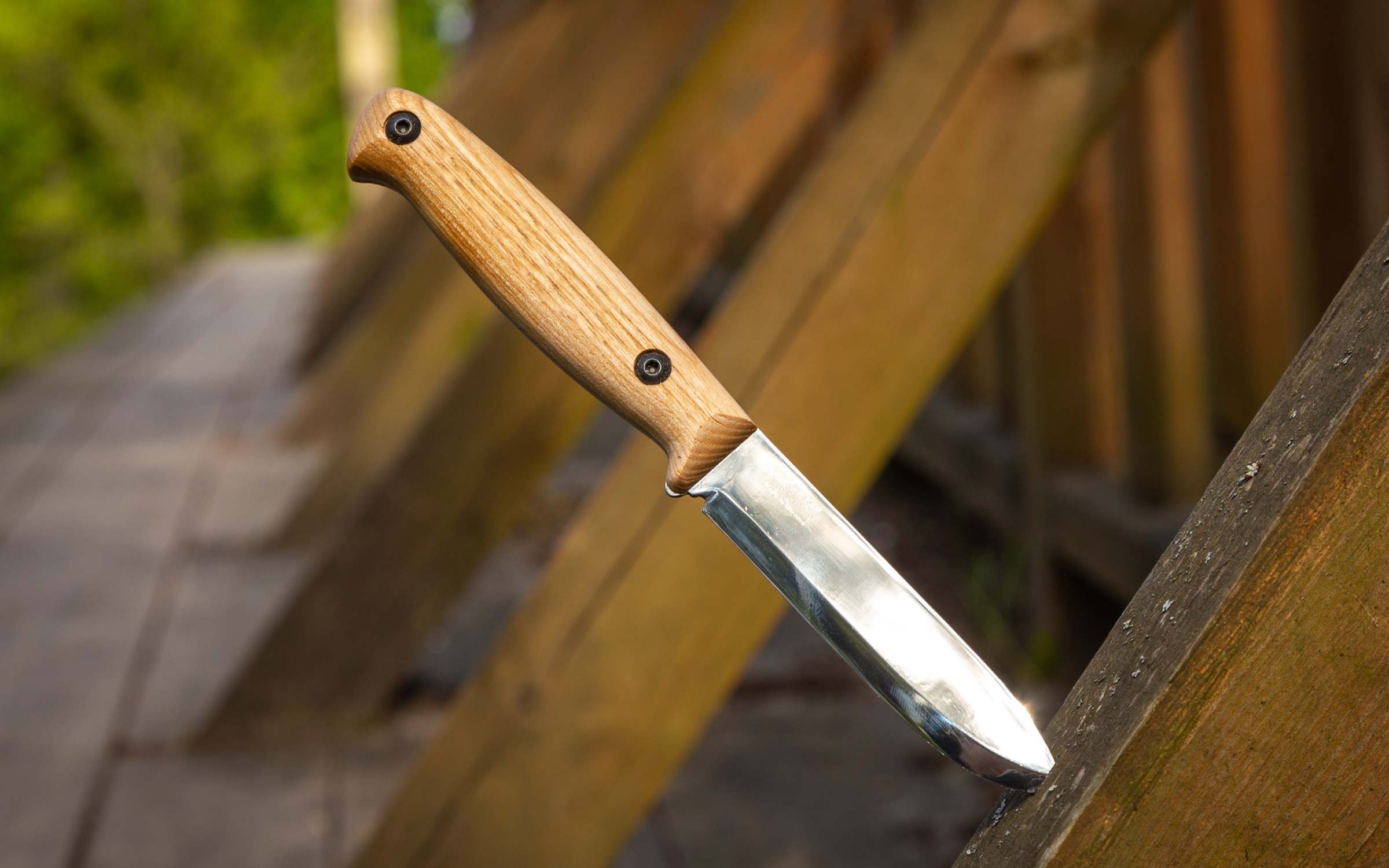
Ash Wood is known for its strength and flexibility, qualities that are beneficial for knife handles. This wood type offers excellent shock resistance, which is crucial for a knife expected to perform in various cutting tasks.
Final Thoughts
Choosing the suitable materials for knife handles is important, but it is even more important to understand the reasons behind this choice. And, if you know how to select materials for different parts of a knife, what is the proper care for them, how these materials affect the knife and how long it will serve you, you will be much better at using knives.
Wooden knife handles are often covered with protective finishes to enhance their durability, resist moisture, and preserve their natural beauty. Common wood finishes include oils, varnishes, and lacquers. Linseed oil or mineral oil are frequently used for a natural and food-safe finish, while varnishes and lacquers provide a more durable protective layer.
These finishes not only shield the wood from environmental factors like humidity and water but also accentuate the wood’s grain patterns and colors, adding to the aesthetic appeal of the knife handle. Properly finished wood covers not only extend the lifespan of the handle but also contribute to a more comfortable and enjoyable user experience.
This way you will also be able to store them much better, and they will become a practical helper, and not just a temporary solution that you then have to throw away. Even basic knowledge of wood characteristics can be extremely useful in everyday life.