
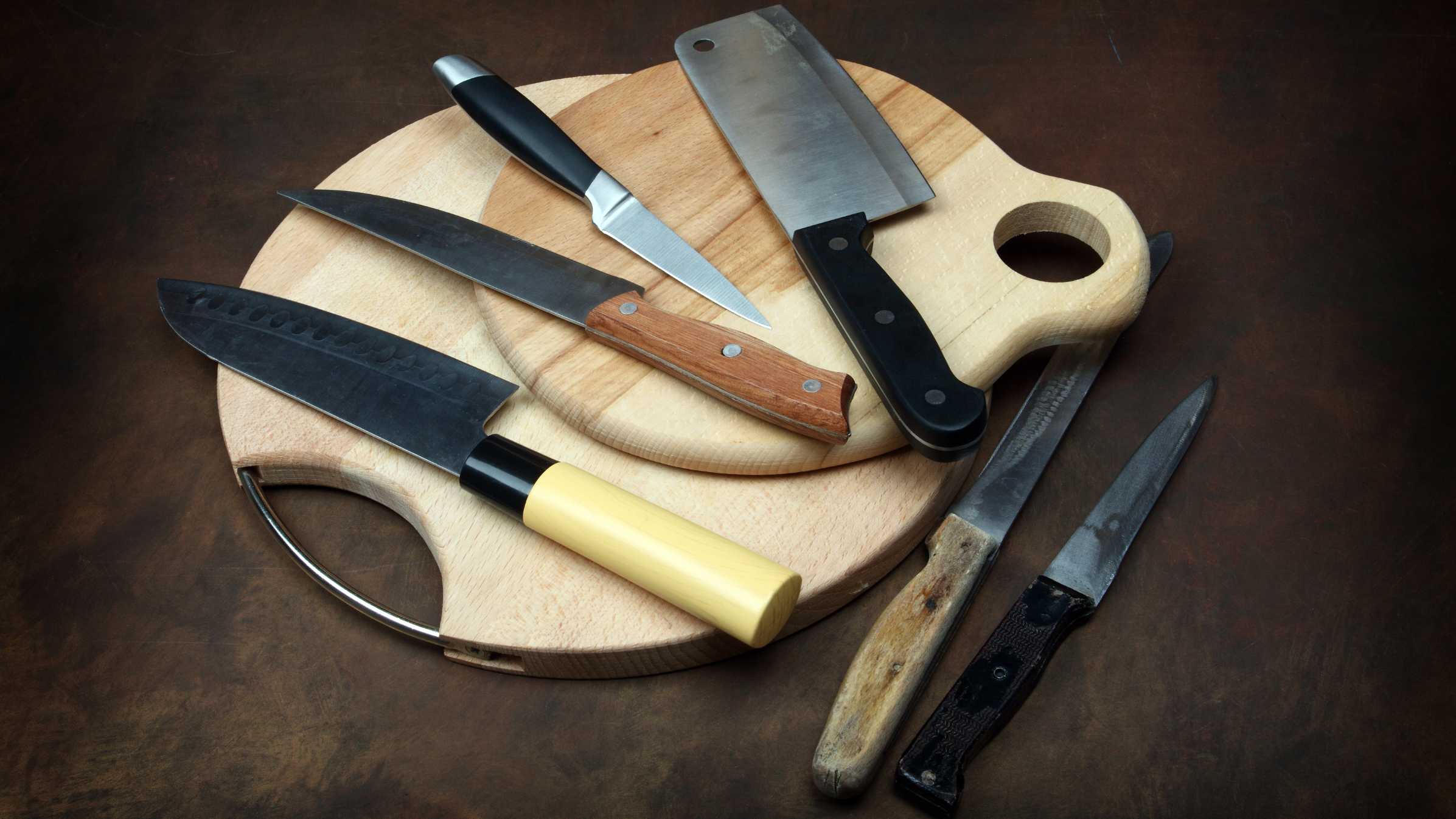
In the world of knives and blades, a thin layer of coating can make a world of difference. Blade coatings are more than just a cosmetic touch; they offer a range of benefits that enhance a blade’s performance, durability, and aesthetics. This article explores the different types of blade coatings available, their advantages, and how to properly care for coated blades.
Blade Coatings Function
Blade coatings serve various purposes, including:
- Protection against corrosion and wear: Coatings prevent the blade from rusting, tarnishing, and becoming damaged by moisture, chemicals, and other elements.
- Enhanced performance: Coatings can improve a blade’s cutting efficiency, reduce friction, and increase its lifespan.
- Aesthetics: Coatings can add color, patterns, and designs to a blade, making it more visually appealing.
Types of Blade Coatings
There are several types of blade coatings available, each with its own unique properties and benefits. Some of the most common types include:
Powder Coat
A durable, weather-resistant coating that provides excellent protection against corrosion and wear. Powder coating is applied as a dry powder that is electrostatically charged and then baked onto the blade at high temperatures. This creates a hard, bonded finish that is resistant to scratches, chipping, and fading.
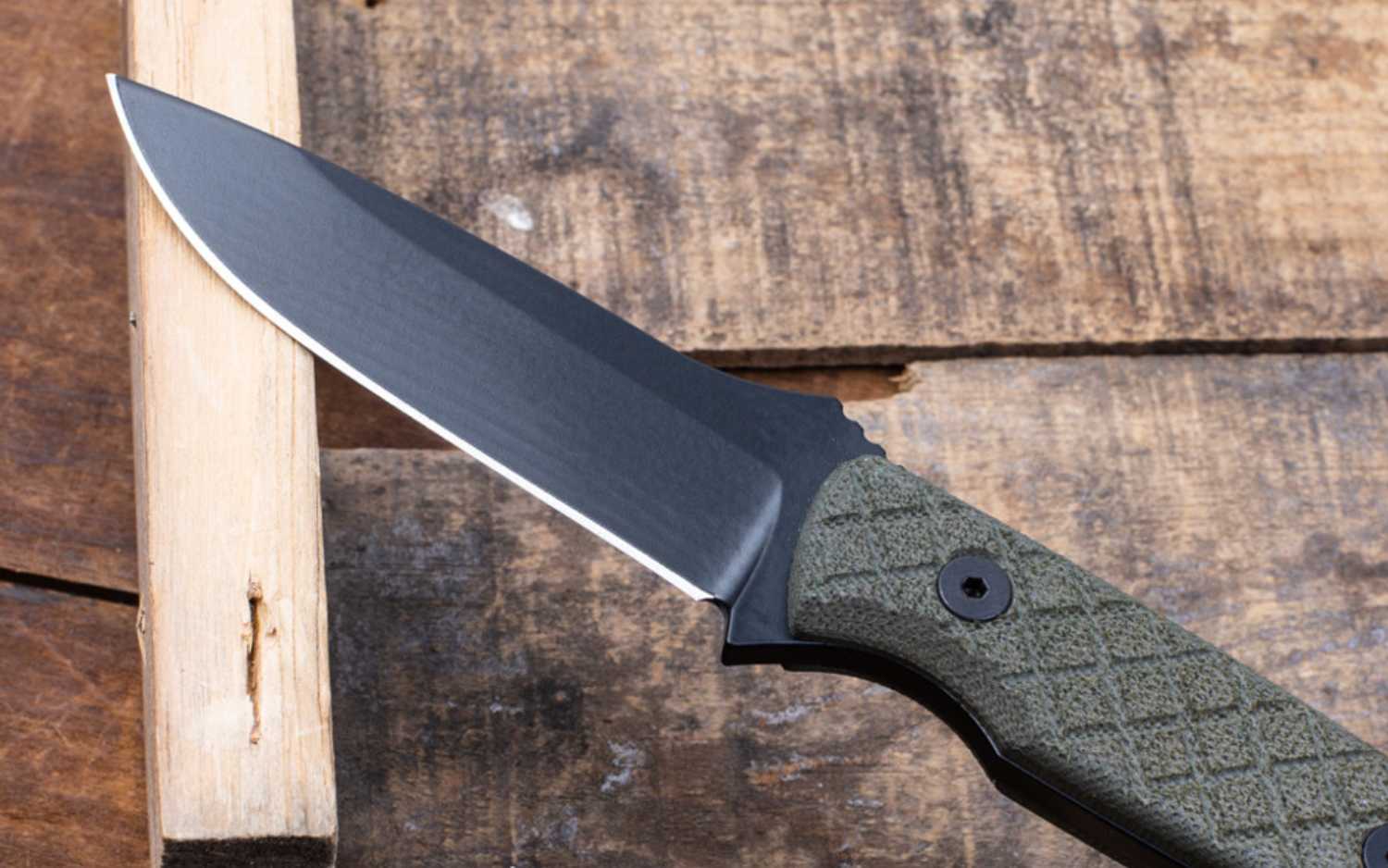 Photo from knivesshipfree.com
DLC (Diamond-Like Carbon) Coatings
An extremely hard and wear-resistant coating that enhances cutting performance and durability. DLC coatings are applied using a process called chemical vapor deposition (CVD), which creates a thin film of carbon that is bonded to the blade’s surface. DLC coatings are incredibly hard and wear-resistant, making them ideal for high-performance blades used in demanding applications.
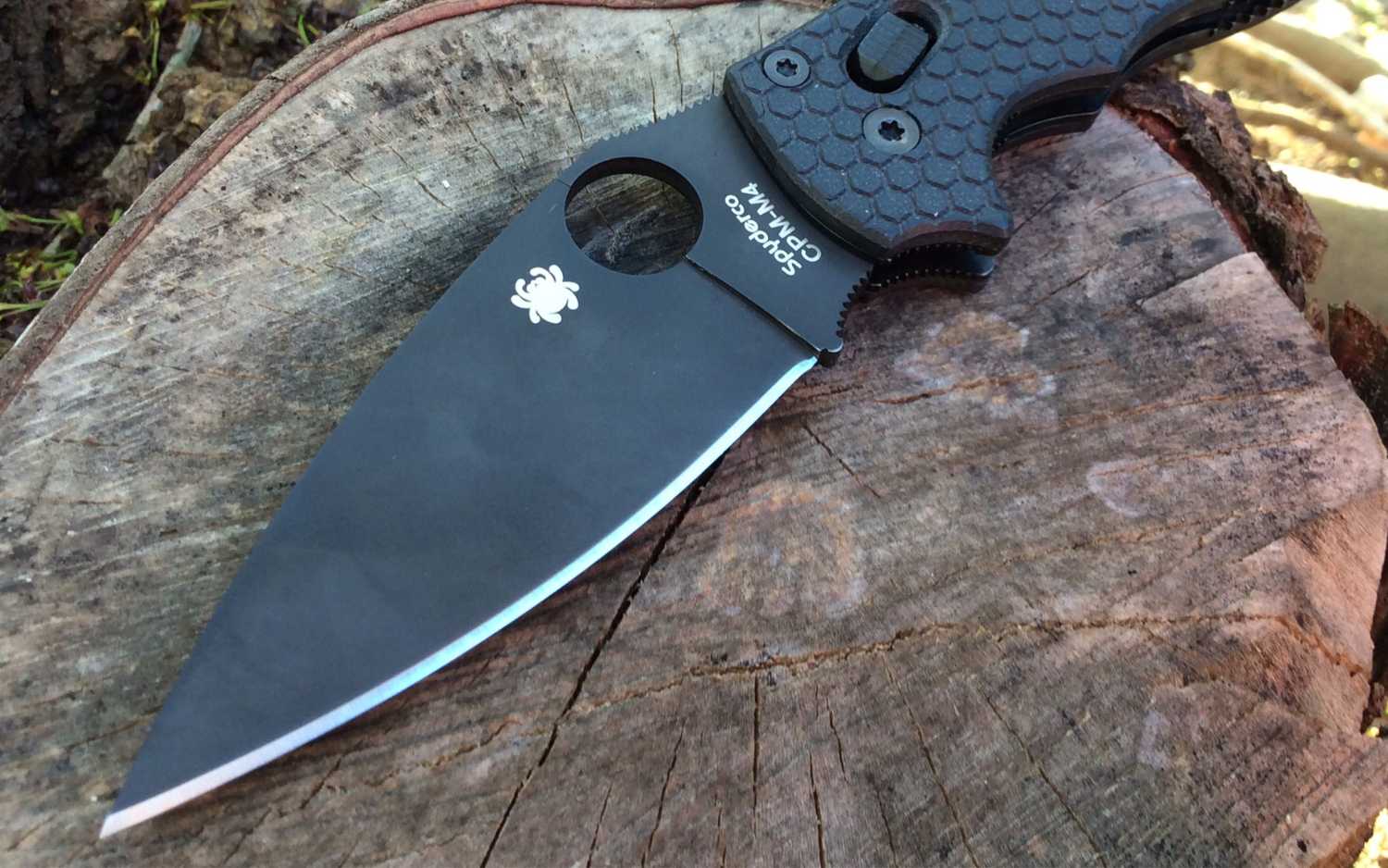 Photo from bladeforums.com
PVD (Physical Vapor Deposition)
A thin, high-performance coating that provides excellent corrosion resistance and cutting efficiency. PVD coatings are applied using a process called physical vapor deposition, which involves vaporizing a metal or ceramic material and then depositing it onto the blade’s surface. PVD coatings are very thin and uniform, providing excellent corrosion resistance and cutting performance.
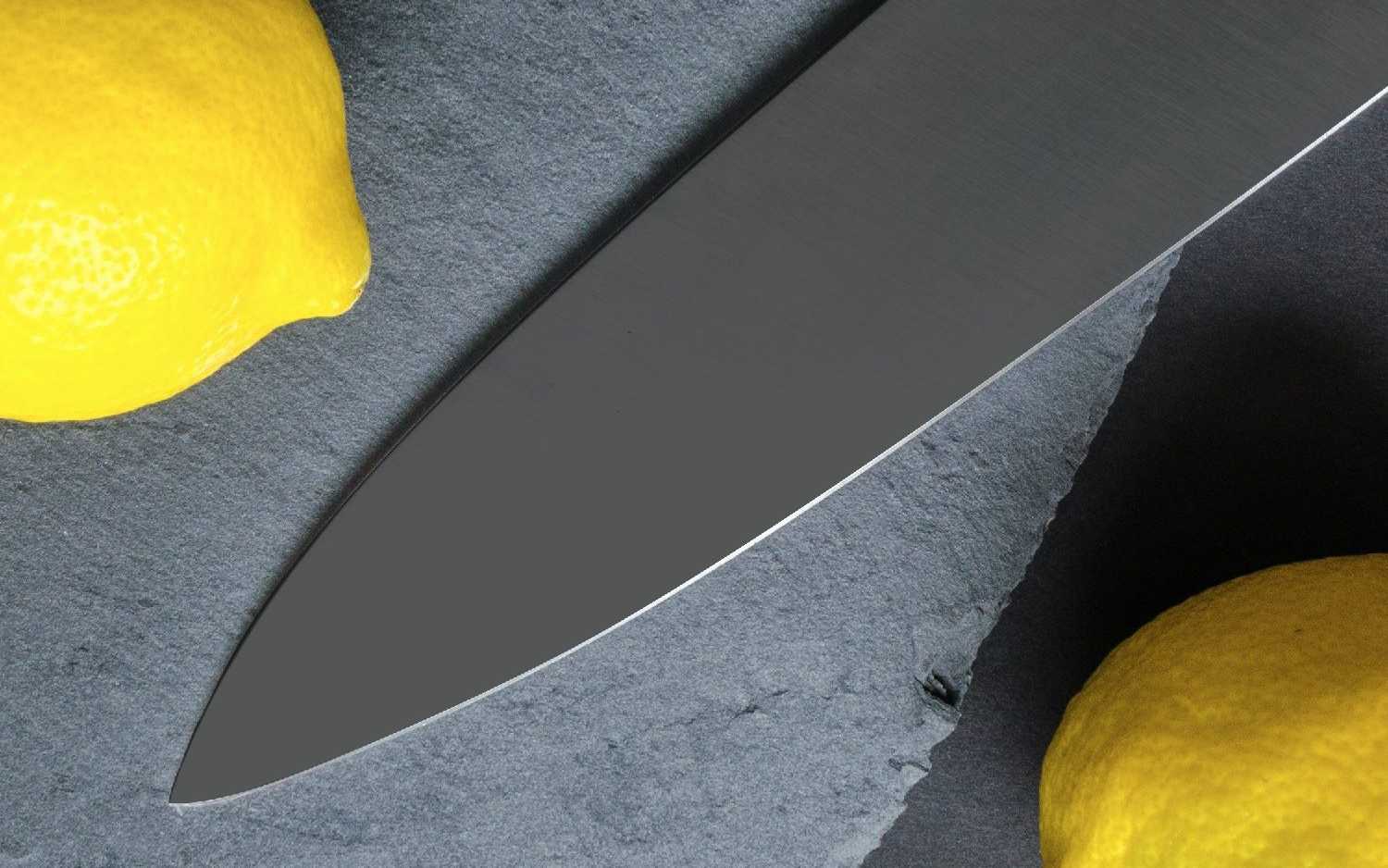 Photo from inorcoat.com
Teflon Coatings
A non-stick coating that reduces friction and makes cleaning the blade easier. Teflon coatings are applied using a process called spray-coating, which involves spraying a thin layer of Teflon onto the blade’s surface. Teflon coatings are very effective at reducing friction, making them ideal for blades used in food preparation and other applications where cleanliness is important.
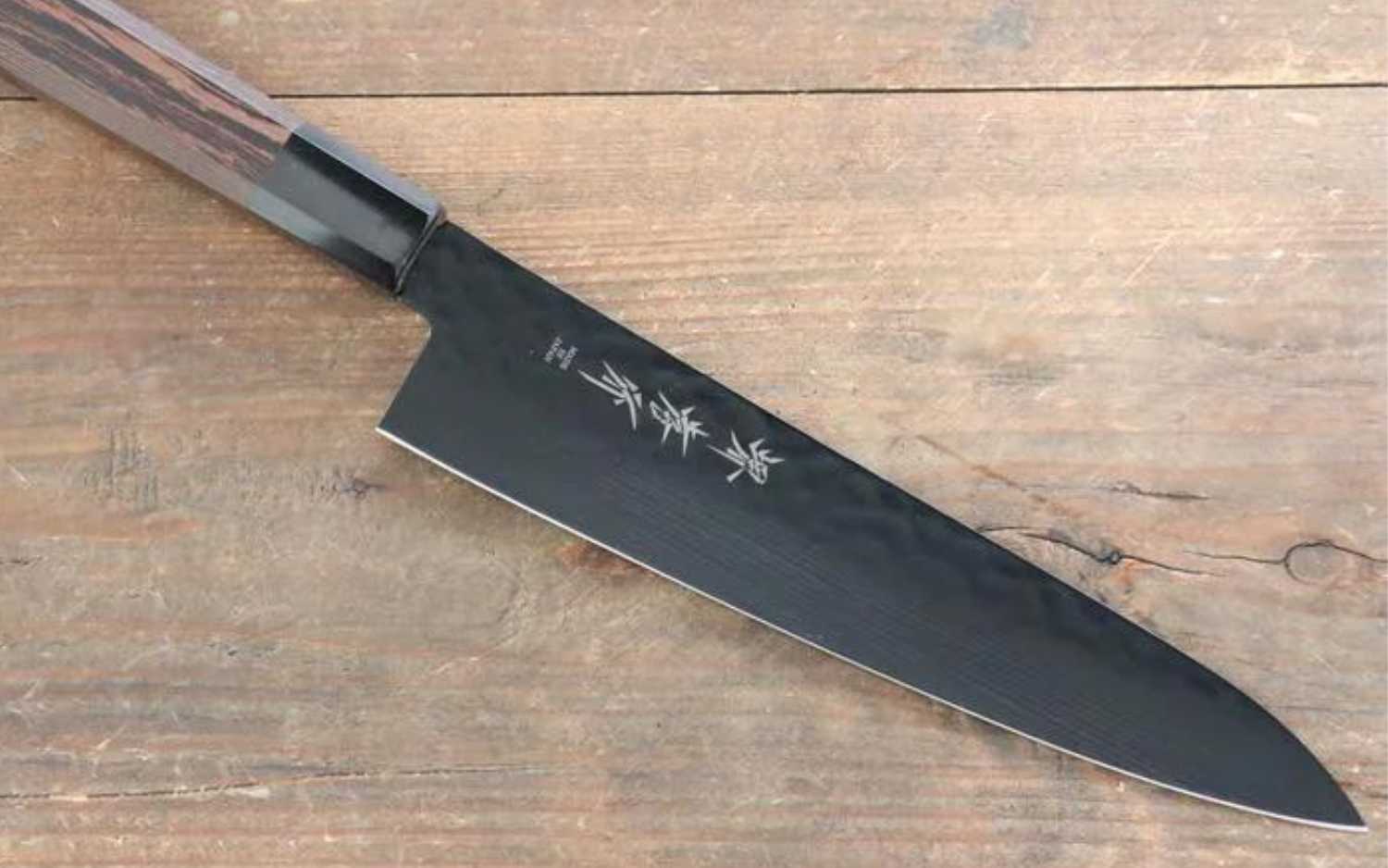 Photo from reddit.com
Ceramic Coatings
A hard, corrosion-resistant coating that offers excellent wear resistance and cutting performance. Ceramic coatings are applied using a process called sol-gel, which involves applying a liquid ceramic solution to the blade’s surface and then curing it at high temperatures. Ceramic coatings are very hard and wear-resistant, making them ideal for blades used in harsh environments.
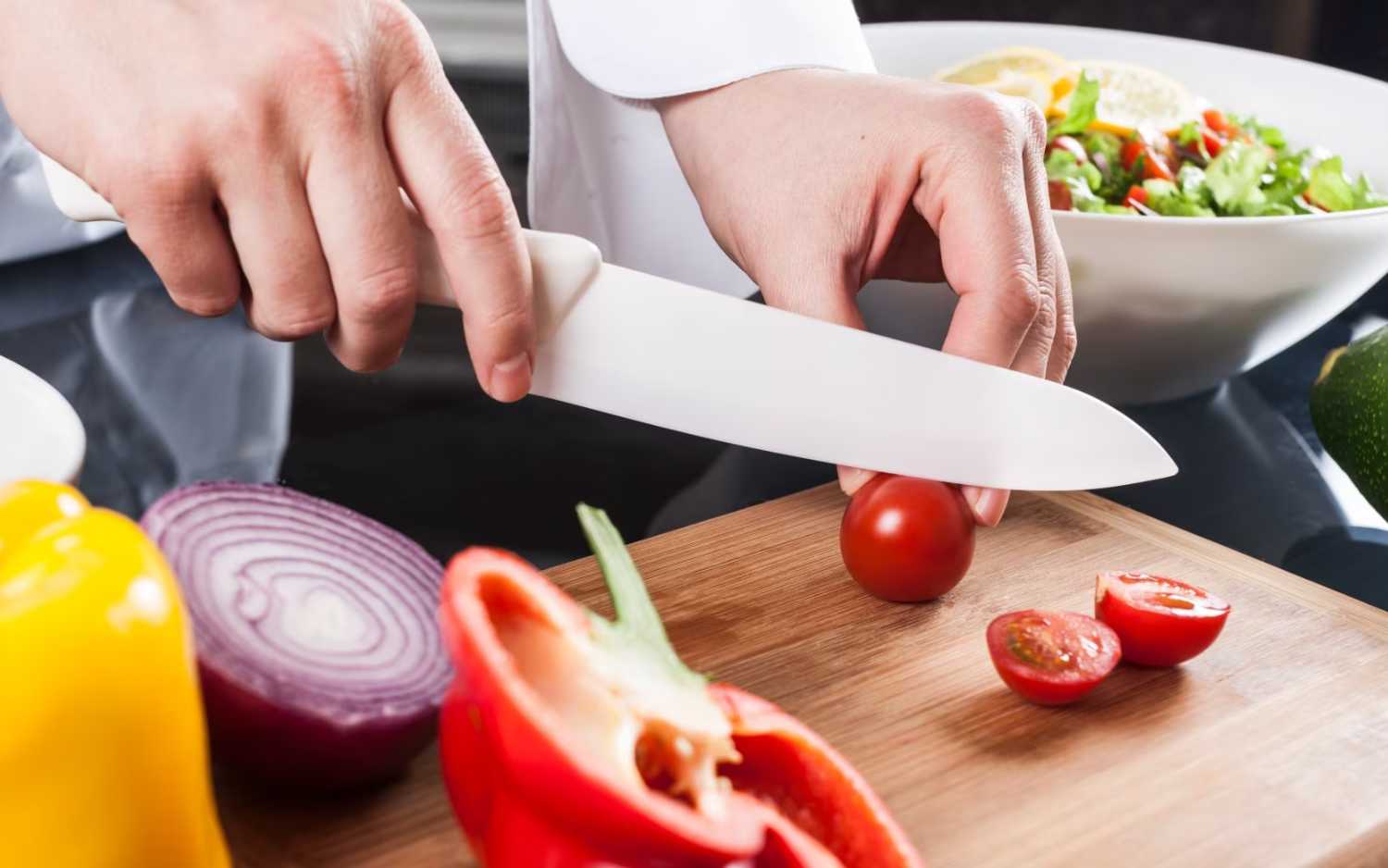 Photo from finedininglovers.com
Titanium Nitride (TiNi)
A hard, wear-resistant coating that improves cutting performance and corrosion resistance. TiNi coatings are applied using a process called PVD, which involves vaporizing titanium and nitrogen and then depositing them onto the blade’s surface. TiNi coatings are very hard and wear-resistant, and they also offer excellent corrosion resistance.
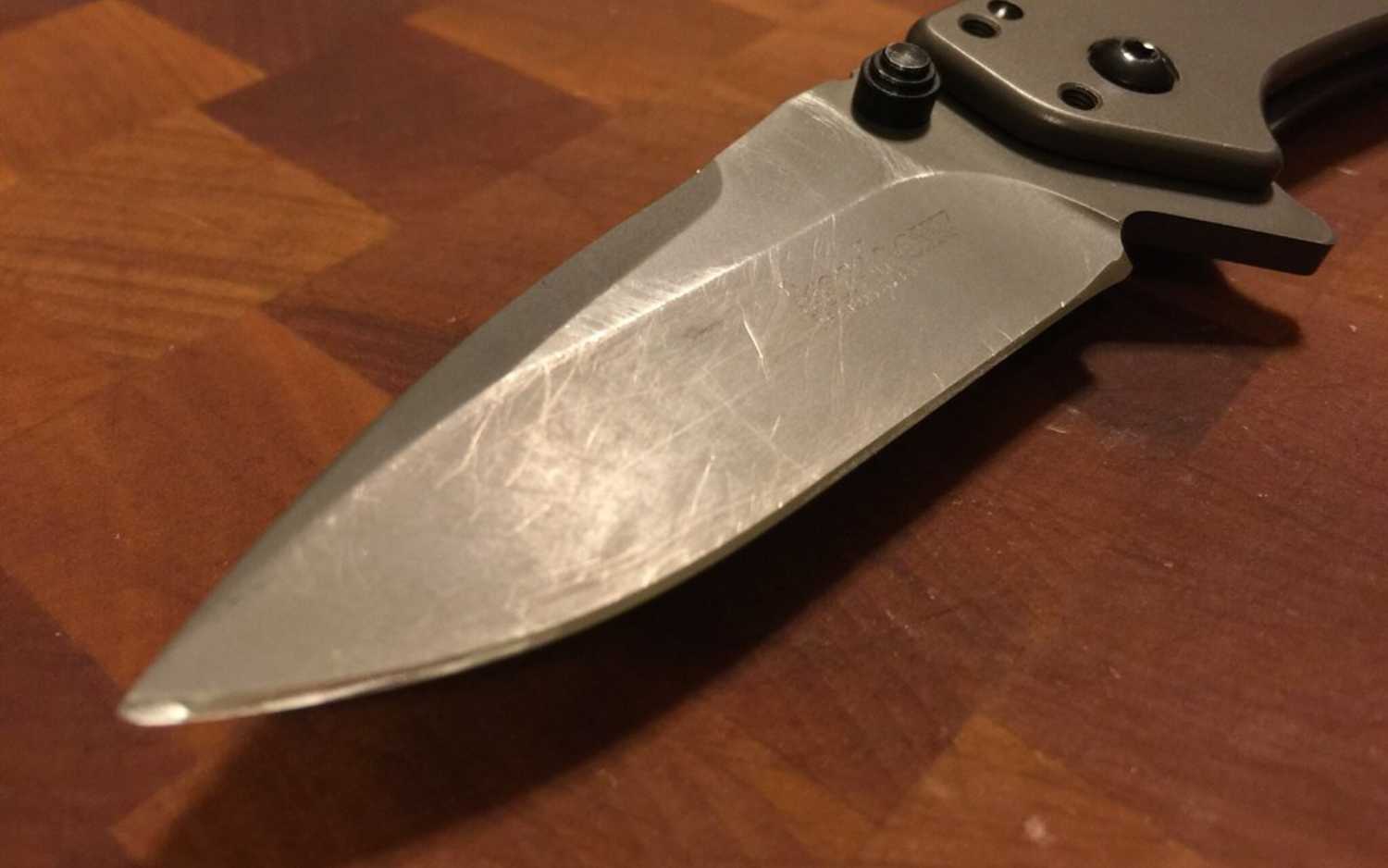 Photo from bladeforums.com
Paint
A versatile coating that can be used to add color, patterns, and designs to a blade. Paint can be applied using various methods, including spray-painting, brushing, and dipping. Paint is a cost-effective way to add color and designs to a blade, and it can also be used to protect the blade from corrosion.
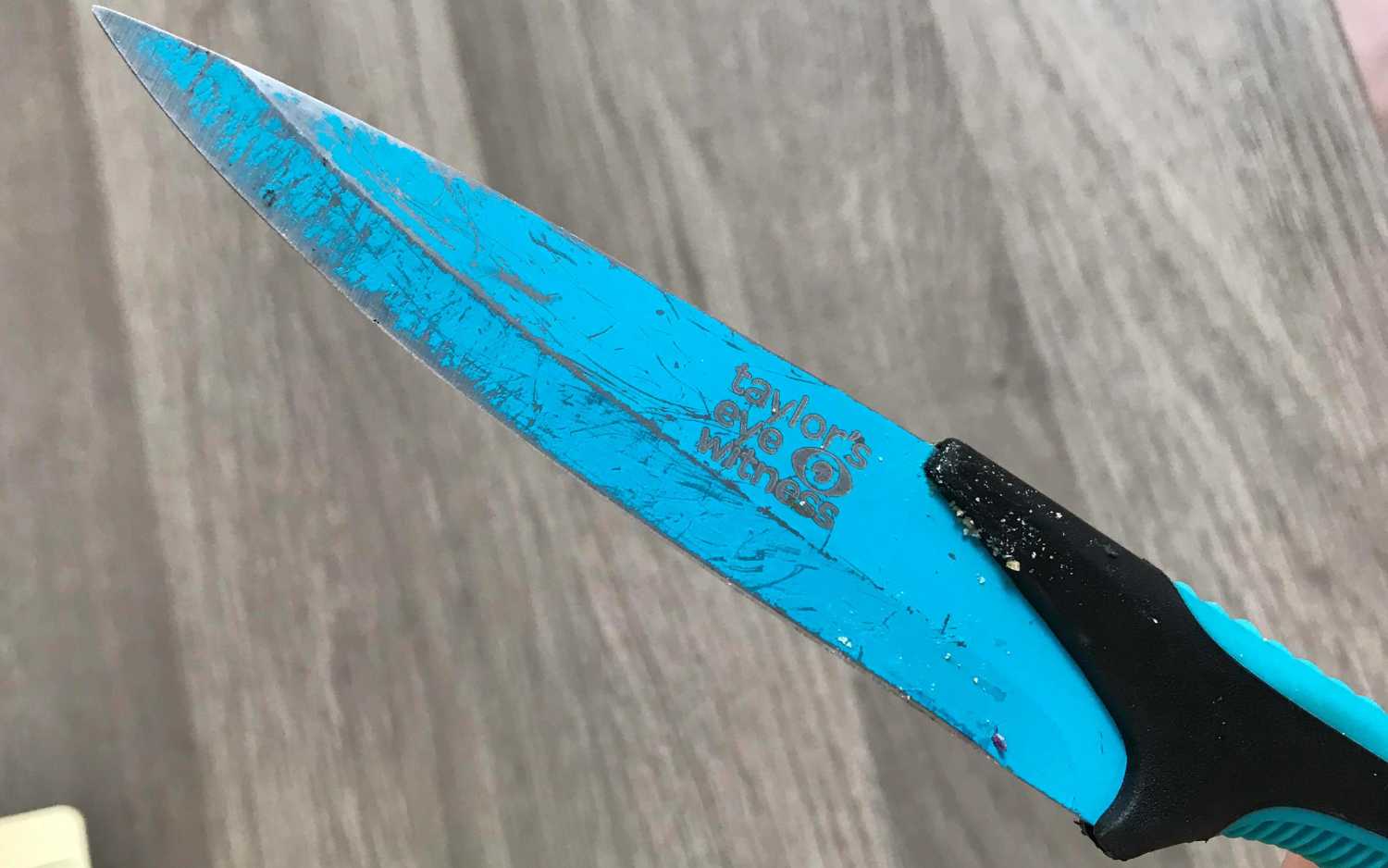 Photo from reddit.com
Other Popular Coatings
There are many other types of blade coatings available, including epoxy, urethane, and silicone coatings. These coatings offer various benefits, such as corrosion resistance, wear resistance, and improved cutting performance.
Care and Maintenance of Coated Blades
To ensure the longevity of your coated blade, it is important to properly care for it. Here are a few tips:
- Cleaning: Clean the blade with a mild soap and water solution after each use. Wipe the blade dry with a soft cloth.
- Storage: Store the blade in a dry, moisture-free environment. Do not store the blade in a sheath or holster that is made of leather or other materials that can retain moisture.
- Sharpening: When sharpening a coated blade, use a diamond or ceramic sharpening stone. Do not use a steel sharpening rod, as this can damage the coating.
- Avoid harsh chemicals: Avoid using harsh chemicals or abrasive cleaners on the blade. These chemicals can damage the coating.
Conclusion
Blade coatings offer a range of benefits that can enhance the performance, durability, and aesthetics of a blade. By understanding the different types of coatings available and how to properly care for them, you can ensure that your coated blade will last for years to come.