
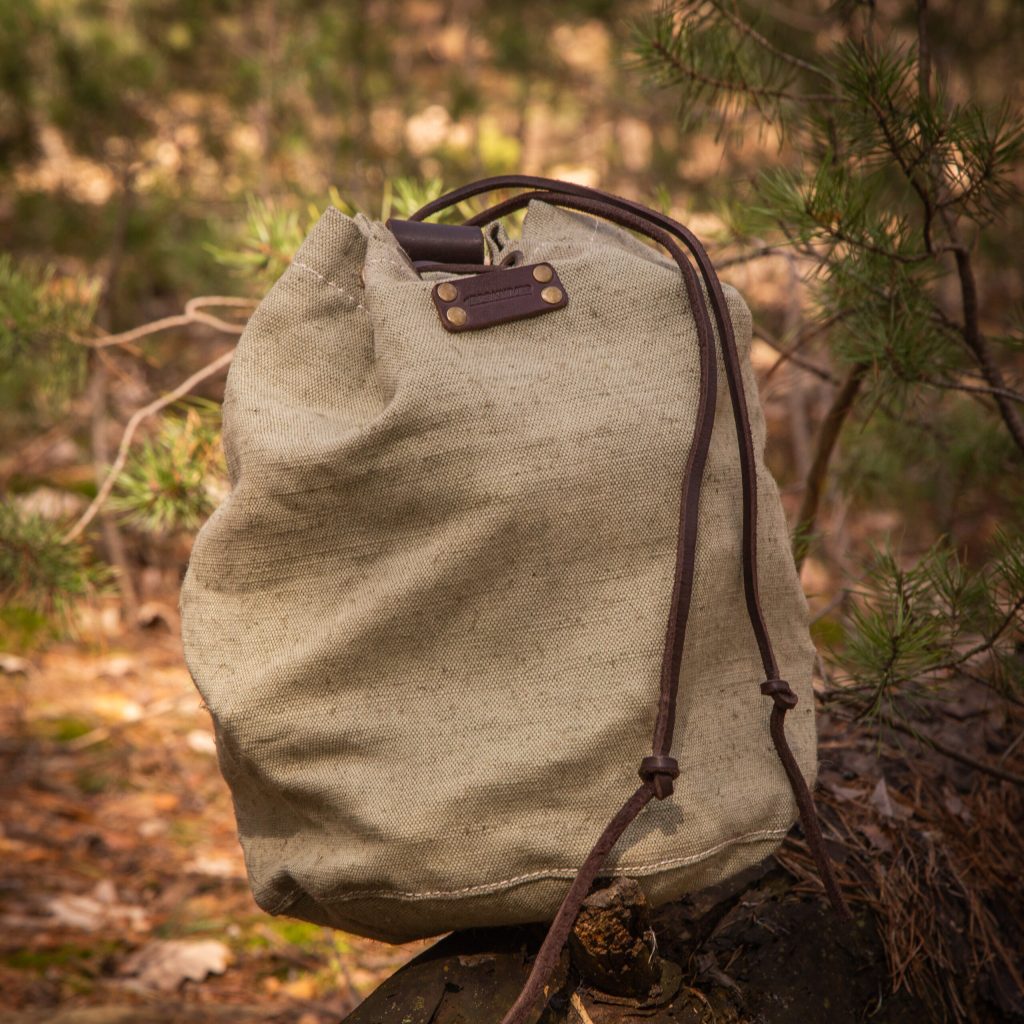
Bushcraft is a growing trend in the outdoor community, and it’s easy to see why. Bushcraft combines knowledge of nature with traditional wilderness skills such as tracking, hunting, and making fire. For those who want to explore their natural environment on their own terms, bushcraft can be an incredibly rewarding experience.
However, if you’re new to bushcraft and want to get started, you must ensure that you have the right gear — especially when picking out one of the reliable bushcraft bags. Let’s take a look at some of the features that make a good bushcraft bag.
Start with Prioritizing Your Needs
Whether you’re a rookie or an experienced outdoorsman, picking the proper bushcraft bag can be intimidating. The amount of outdoor bags available on the market can quickly become overwhelming, especially when you realize that most have similar features and designs.
Fortunately, there are critical criteria you should consider to narrow down your search, such as:
- Intended use (hunting vs. camping)
- Raw material (leather vs. canvas)
- Size and capacity
- Your desired comfort levels
Once you know specifically what you need from the best bushcraft bag, it becomes easier to filter out unwanted options and find one that checks all the boxes.
It’s important to be honest with yourself about what type of bushcraft activity best fits your lifestyle to ensure you are truly getting the most from your purchase.
Size and Capacity in Bushcraft Bags
Once you’ve identified your needs, the next thing to consider is the size and capacity of the bag. The bag size should be proportional to your body size and the length of your trip. A backpack that’s too big will be simple and comfortable to carry, while a bag that’s too small will only hold some of the gear you need.

How Much Gear Do You Need?
When it comes to choosing the right size bushcraft bag, it is essential to think seriously about how much gear and supplies you will need. Not only should you ensure that the contents of your bag are safely and securely stored away, but also look for a bag with enough room to fit necessary items while providing easy access when needed.
After all, one of the primary aims of bushcraft is to enjoy the outdoors, and if you’re loaded down with too much unnecessary weight, your time in nature may not be as enjoyable.
Consider what size best suits your needs. Often, smaller bags provide better mobility, whereas larger sizes can help keep more essential items close by, even on longer trips.
Size Matters for Bushcraft Bags: Here’s Why
When choosing your bushcraft bag, size is one of the most important factors to consider. If you opt for a bag that’s too small, you won’t have enough room for all your essential gear; conversely, if your bag is too large, it will be bulky and difficult to carry around.
Generally speaking, a 30-35 liter bushcraft bag should be enough for most day adventures in the wild. Anything larger than that should only be used for extended trips where more gear is needed (e.g., hiking or camping).
Remember that the appropriate size and capacity of the bag will depend on your specific needs and requirements for the trip. It’s always a good idea to try on the bag and ensure it fits well and is comfortable before purchasing it.
Why Hip Belts Are Essential
Bushcraft bags with hip belts help distribute weight evenly across your body while providing extra support during strenuous activities such as climbing or running—which are often necessary when out in the wild!
When picking out a bushcraft bag, check to see if its hip belt is adjustable to fit snugly around your waist without causing discomfort or pain. Additionally, some bags come with additional straps and loops, which can be used to attach extra items like water bottles or flashlights.
A comfortable bag that fits well is essential for an enjoyable outdoor experience. Look for a bag with adjustable straps and a padded back panel to distribute weight evenly and reduce pressure on your shoulders. A well-fitted bag will also reduce the risk of injury and improve your posture while hiking.
Bushcraft Bag Durability Is Key
Bushy environments can be tough on equipment — so when it comes to selecting a pack for your adventures in nature, durability should always be top of mind. A canvas bushcraft bag is a timeless classic, so look for packs made with high-quality materials like nylon or canvas. These materials protect against wear and tear, so they’ll last longer than cheaper alternatives.

A bushcraft bag must be made from high-quality materials that can withstand the elements and rough terrain and have reinforced stitching and robust zippers. Pay attention to stitching quality. Check all seams and zippers for any signs of fraying or loose threads before purchasing—you don’t want them coming apart mid-adventure!
Remember that a bag that can withstand wear and tear will last you longer and save you money in the long run.
How to Reinforce the Durability of Your Bushcraft Bag
When it comes to bushcraft bags, durability is crucial. Here are some features to consider for added durability:
- Reinforcements: Look for bags with reinforced stress points, such as shoulder straps, base, and high-wear areas. Reinforcements can be made of materials such as Hypalon, leather, or extra layers of fabric.
- Zippers are a common point of failure in backpacks. Look for bags with high-quality zippers, such as YKK or waterproof zippers. BPS Knives makes its bushcraft bags with traditional drawstring cords for extra durability and effortless closure.
- Internal or external frames provide structure and support to the bag. Look for bags with sturdy and durable frames made of materials such as aluminum or carbon fiber.
- Water resistance: A water-resistant or waterproof bag will protect your gear from moisture and prolong its lifespan.
- Stitching: Look for bags with reinforced and double stitching in high-stress areas. This will prevent the seams from tearing or fraying.
- Warranty: Some manufacturers offer a warranty on their bags. A good warranty can provide peace of mind and indicate that the manufacturer stands behind their product.
Remember that the durability of your bushcraft bag can make or break your outdoor experience. By choosing a bag with these features, you’ll have a bag that can withstand the wear and tear of the great outdoors.
Keeping Things Organized
When it comes to bushcraft bags, organization is key to finding your gear quickly and efficiently. Here are some features to consider for an improved organization:
Compartments: Look for outdoor bags with multiple compartments to help separate your gear. For example, a bag with a separate compartment for your sleeping bag or tent can make it easier to access your gear.
Pockets: Pockets are great for organizing smaller items such as your phone, headlamp, or first aid kit. Look for bushcraft bags with pockets outside, inside, or hip belts.
Access points: Some bushcraft bags have access points on the bag’s top, bottom, or sides. This can make it easier to access your gear without digging through the entire bag.
Compression straps help to keep your gear secure and prevent it from shifting around in the bushcraft bag. They can also help reduce the bag’s size when it still needs to be fully packed. Gear loops on the outside of the bag can be used to attach items such as trekking poles, ice axes, or a sleeping pad.
Hydration compatibility: Look for bushcraft bags with hydration compatibility, such as a hydration sleeve or port. This can make it easier to access your water without stopping and taking off your bag.
By choosing a pack with these features, you can keep your gear organized and easily accessible. This can make your outdoor experience more enjoyable and efficient.
The Price Factor
Bushcraft bags are an essential tool for any survivalist, and there is much to consider when choosing which one to buy. One of the first things that come to mind is the cost – will it offer good value for money?
The truth is, in most cases, you get what you pay for. If you want a high-quality bag that will last you a long time and keep all your survival gear safe and secure, it may be worth spending more on something durable.

Finding a bushcraft bag that fits your budget can be challenging, but it’s not impossible. Here are some tips for finding a bag that meets your needs and your budget:
- Determine how much you’re willing to spend on a bag. Keep in mind that a higher price tag sometimes means better quality.
- Do some research and compare prices from different retailers. Check out online retailers such as Amazon, REI, and Backcountry. You can also visit outdoor gear stores or check out outlet stores for discounts.
- Keep an eye out for sales and discounts, especially during the off-season. Retailers often offer discounts on last season’s gear or during holiday sales.
- Buying a used bushcraft bag can save you money. Look for used bags on websites like eBay, Craigslist, or Facebook Marketplace. Make sure to scrutinize the bag for any signs of wear or damage before purchasing.
Bushcraft bags can vary in price, and choosing a bag that fits your budget is essential. Remember that a high-quality, durable bag will save you money in the long run by lasting longer and requiring fewer repairs or replacements.
Final Thoughts
Bushcraft, the art of wilderness survival, requires skills and tools to thrive in nature. Choosing the right bushcraft bag for your next bushcraft adventure is essential for having an enjoyable time in nature.
- Make sure you pick a bushcraft bag that fits comfortably around your waist with adjustable straps and loops for added storage capacity.
- Look for bushcraft bags made from durable materials such as nylon or canvas.
- Check all seams and zippers carefully before finalizing your purchase!
With this advice in mind, you’ll have no trouble finding the perfect bag for whatever wild escapade awaits!
FAQ
Are 34 liters large enough for a bushcraft bag?
If you’re looking for a bushcraft bag that can carry all your essential supplies and tools, then a 34-liter bag is worth considering. While it’s not the most spacious of bags around — after all, there are much bigger bags available on the market — 34 liters offer enough room to hold an impressive amount of items securely.
From cooking utensils and camping tools to food supplies and backup clothing, it may surprise you just how much can fit in this size bag. Ultimately, deciding whether or not a 34-liter bag is large enough for your needs depends on what items you plan on bringing with you when you embark on your outdoor adventures.
Can you make a homemade bushcraft bag?
Crafting your own bushcraft bag can be a rewarding experience. A great sense of reward comes from creating something with your hands, and with the right materials, it can also be an inexpensive DIY project.
Whether for fun or survival, gathering the necessary items and constructing your own bag will require research and preplanning but can provide both utility and pride. Depending on your needs, you’ll want to consider details such as strap length and canvas durability so that you’re ready to take on whatever surprises come next.