

Rust affects the longevity and performance of a knife. It’s quite a petty problem that is able to affect the way your knives work and cause other problems. However, there are proven ways of preventing and removing rust, so let’s take a closer look at this problem.
In this article, we will discuss experience-backed recommendations on how to remove rust on a knife, so that your knives stay helpful and effective, and rust doesn’t ruin your plans.
Why Is Rust Dangerous and Why Should You Prevent It?
Rust may affect different characteristics of the knife and the way it works. This is why the problem of rust should be treated starting with its prevention. Consider the potential signs of rust and perform regular inspections and monitoring.
Since rust happens due to several natural factors and chemical reactions, treating it is not hard, you just need to understand the chemistry of this process. However, obeying these simple rules is the only way to keep your knives in a decent state.
What Causes Rust?
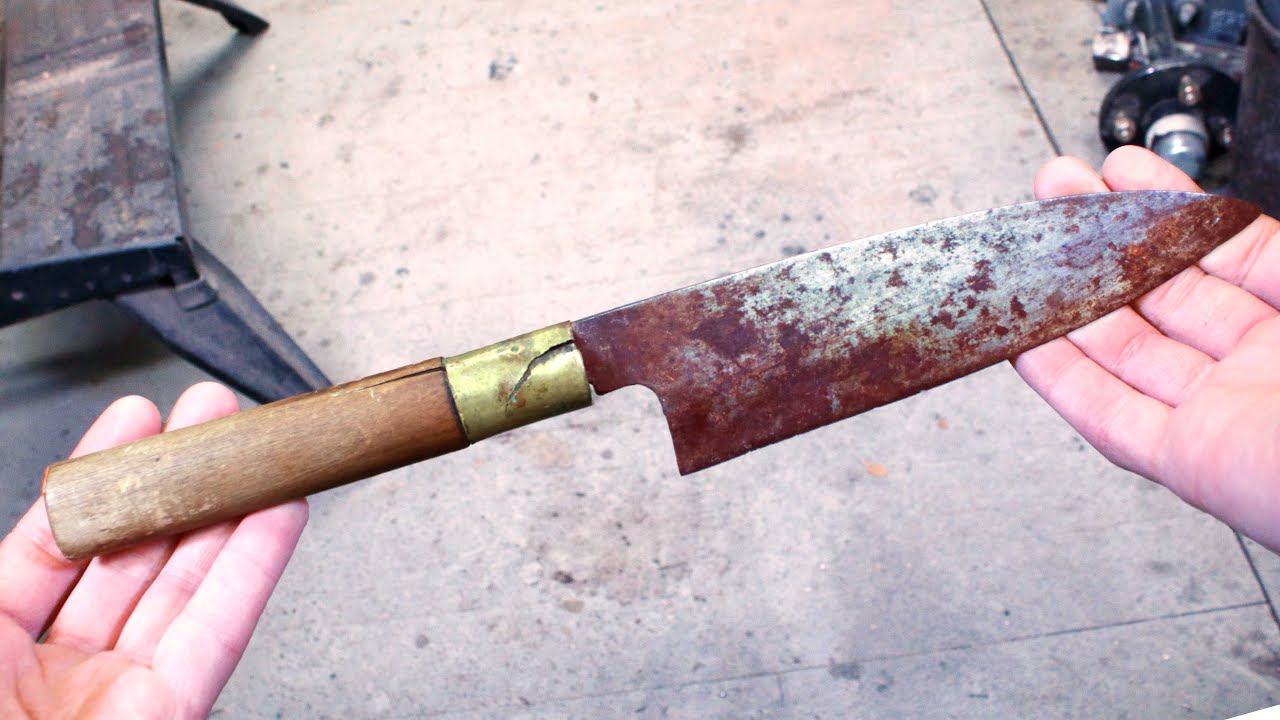 Photo from imarku.net
The rust happens when iron or steel reacts with oxygen and moisture or water. This explanation may help us avoid rust, but there are other common factors that trigger rust on knives. For example, you probably didn’t know that not cleaning and oiling knives after use is not just carelessness, it may trigger rust and your knives will be useless. Some of the other aspects include:
Moisture
Water or moisture are among some major factors that contribute to rust formation. This is why you shouldn’t leave your knives around water or in the sink. Some general recommendations are to use a sheath, keep your knives dry, and maintain cleanliness.
Oxygen
Try not to leave the knife outdoors for a long time in contact with oxygen, especially, in a humid environment. Now there are many special and convenient devices for storing a knife, so it will be easier for you to store knives.
Salt
Salt breaks down the protective barrier on the knife blade. This is exactly the reason why knives that are used for cutting salty foods are often likely to rust.
Acids
Acids that can be found in citrus or other sour fruits and vinegars, can also cause rust on a knife. Rust is formed when the acid contacts the knife.
How to Prevent Rust on a Knife?
Here are some of the practical ways you can prevent rust even if you don’t have enough space in your home.
Proper care
By using mineral oils or their equivalents, performing regular monitoring and inspections, storing the knives in proper conditions.
Drainage hole in sheath
You need to make sure water doesn’t pool around metal objects. This can be done easily with proper drainage. The breathable nature of the leather allows liquids to pour out continuously, so you won’t get as much for the blade to rust. Leather suits well for making a knife sheath, and you can store oiled knives in them for better protection.

Regular inspections
You need to inspect metal items for rust and corrosion on a regular basis. This will help you prevent or remove rust or damage promptly. Regular inspections and monitoring are very helpful for prevention.
Keep away from harsh chemicals
Harsh chemicals are not only dangerous for your health. You need to keep them away from your favorite knives so that they don’t get rusty.
Storage Techniques
Use a knife block
Knife blocks may be made of different materials, but they will help you prevent rust, and also, they are also very comfortable. You can store your knives in a safe and comfortable place.
Use a knife sheath
Knife sheaths are designed to protect knives – and you. It can also be helpful for protection from rust but don’t forget about oils and safety rules.
Keep your knives dry
This point may sound obvious, but many people actually leave their knives in sinks or don’t dry the blade when using the knife near water. Water, or even excessive moisture, may result in rust, so knives should be kept in special storage. This is especially helpful for rust on a kitchen knife.
How to Get Rid of Rust on a Knife?
Generally speaking, there are different ways of fighting rust, including some of the most popular ones — using lemon juice and baking soda, but you need to choose the one that is the most suitable for your situation. Some of the most popular ways include:
The Options that You Can Try at Home
Vinegar Soak
The acidity of vinegar helps dissolve rust. After soaking, scrub the rust off with a sponge or brush.
Baking Soda Paste
Baking soda is a gentle abrasive and, when mixed with water, forms a paste that helps lift and eliminate rust.
Additional Options to Try
Steel Wool or Rust Eraser
The abrasiveness of steel wool or a rust eraser helps remove rust. Ensure not to use a coarse grade that may damage the knife’s surface.
Aluminum Foil
The aluminum reacts with rust, causing a chemical reaction that aids in rust removal. The foil also acts as a gentle abrasive.
All of these methods are quite simple and they don’t require any significant effort.
Conclusion
Rust is a common problem, but it can be prevented pretty easily. You don’t want your favorite knife, which may be practical and pretty expensive, to get rusty quickly, do you? Since rust is just a chemical process and there are very simple and basic preventive measures, you can save yourself from many risks by just keeping clean.
As expensive knives sometimes require extra care and are also prone to rust, keep your eye on this and make sure you care for your favorite knife well. Also,using some of the commonly used tips and recommendations that are pretty simple yet effective may help you remove rust in a much easier and effective way.