
In the heart of the wilderness, a survival blade can be your trusted companion, helping you with tasks like building shelter, preparing food, and even self-defense in rare situations. But remember, knife safety rules are paramount. Just like any powerful tool, knives in wildlife environments demand respect and proper handling to prevent accidents and injuries. Whether you’re a seasoned outdoorsman or a budding adventurer, this guide equips you with the knowledge for safe use of utility knives and how to use knives safely in the wild, ensuring your outdoor experiences are both thrilling and secure.
Understanding the Importance of Outdoor Knife Safety
Knife safety tips are not just about protecting yourself from cuts. When venturing into the wilderness, responsible knife use goes hand-in-hand with respecting the environment and wildlife. Accidental injuries can quickly escalate in remote locations, requiring safe cutting practices to prevent situations that might demand emergency medical attention. Additionally, proper knife safety rules minimize the risk of damaging the delicate balance of the ecosystem you’re exploring.
The Safety Basics
Mastering the fundamentals of knife safety in wildlife lays the groundwork for confident and safe cutting experiences. Here are some key principles to remember:
- A sharp knife is safer than a dull one: A dull blade requires more force to use, increasing the risk of slipping and losing control. Regularly sharpen your knife using a proper sharpening tool or stone.
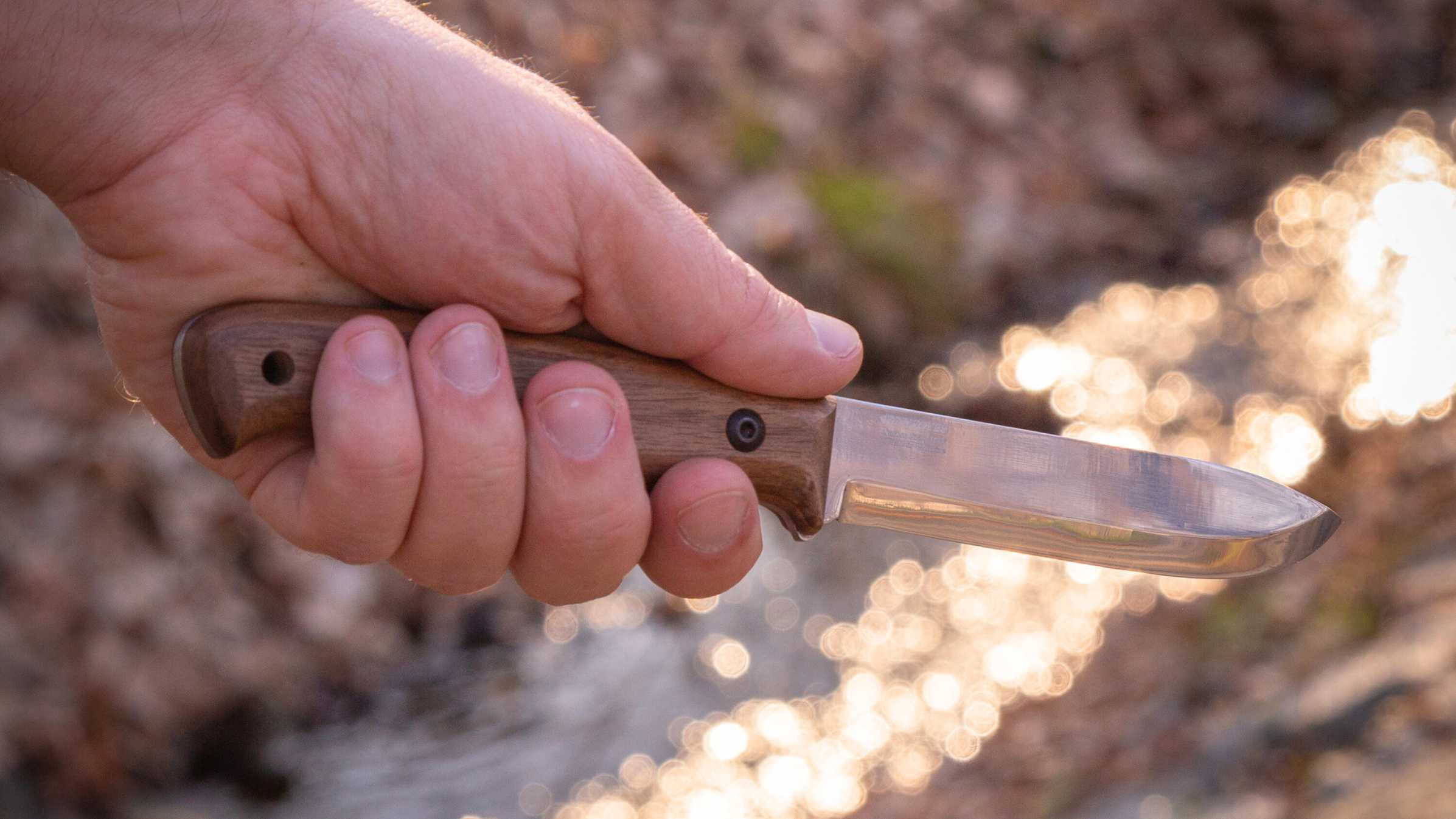
- How to hold the knife: Grip the handle firmly with all four fingers behind the guard (if present). Your thumb should rest comfortably on the top of the handle for optimal control.
- How to make a cutting safely: Always cut away from your body. Clear a designated cutting area free of debris and ensure a stable cutting surface. When making cuts, keep your fingers on the opposite hand curled inwards to prevent accidental contact with the blade.
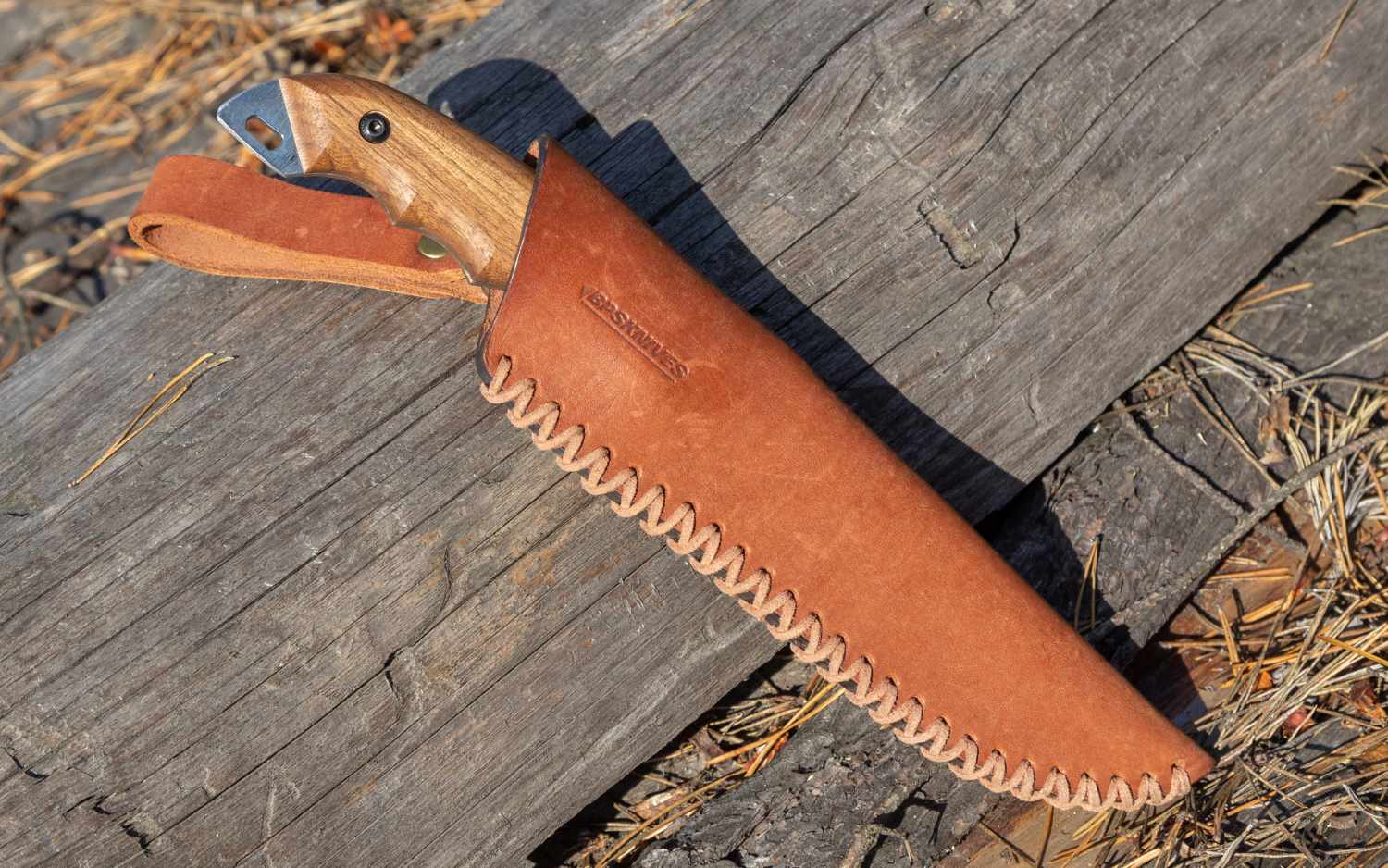
- Carrying a knife: Use a secure sheath to protect yourself and others from accidental contact with the blade. When not in use, keep your knife securely sheathed on your belt or backpack.
- Preventing injuries: Never carry a loose knife in your pocket or backpack. Always keep your fingers clear of the blade’s path when making cuts.
Top Knife Safety Tips from BPS Knives Team
Beyond the basics, here are some additional knife safety tips from our team of experts at BPS Knives:
- Know your knife: Familiarize yourself with your knife’s specific design and intended uses. Don’t attempt tasks beyond your knife’s capabilities.
- Focus on the task: Avoid distractions while using your knife. Give your full attention to the cutting activity at hand.
- Keep bystanders safe: Maintain a safe distance from others when using your knife. Ensure no one is in the line of fire during cutting motions.
- Clean and store properly: After use, clean and dry your knife thoroughly before storing it in its sheath. This prevents rust and ensures smooth operation on your next adventure.
- Respect wildlife: Remember, wild animals are unpredictable. Knife safety in wildlife environments means using your knife for essential tasks only, not for provocation. Consider carrying bear spray as a more effective deterrent in case of a wildlife encounter.
Final Thoughts
By prioritizing knife safety rules and adopting safe cutting practices, you transform your survival blade from a potential hazard into a valuable tool that enhances your outdoor experience. With the knowledge from this guide, you can venture into the wilderness with confidence, prepared to navigate challenges and embrace the beauty of nature safely. Remember, a little knife safety goes a long way, ensuring a successful and enjoyable adventure for you and those around you.