
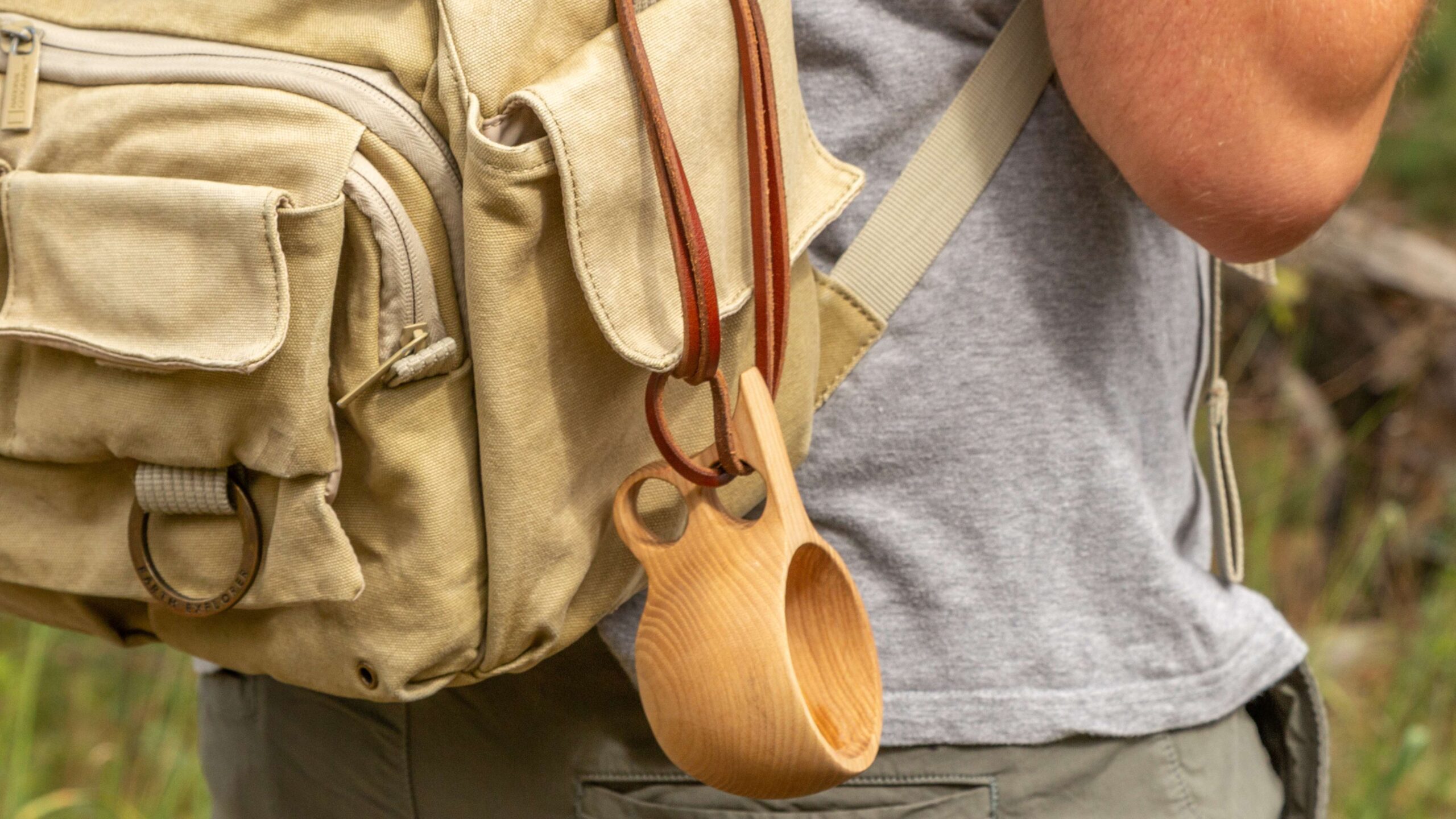
In the world of backpacking and survivalism, a reliable knife is an indispensable tool. But did you know that with a little ingenuity, your trusty blade can serve multiple purposes beyond just cutting? In this blog post, we’ll explore some ingenious knife life hacks that every backpacker and survivalist should know. From fire starting to shelter building, these tips will help you make the most out of your knife in the great outdoors.
The title has it, we’re going to cover the 5 life-saving tips and tricks that can greatly improve your chances to survive and challenge the dangers of nature both wise.
Before diving into knife life hacks, it’s worth noting that to utilize them effectively, one must adhere to basic knife care principles. Most importantly, keeping the blade sharp is paramount.
This is skills you’re going to need to stay your knife sharp
- Stropping. You rub the edge against the leather or something alike at the fixed angle a few times without cutting, then repeat for the other side and do this until you are satisfied with the added sharpness;
- Basic understanding of sharpening principles. Keep the angle, press evenly, push gently, move steadily, increase the grit, repeat.
- Whetstone Sharpening. To distinguish stones suitable for sharpening in the wilderness; to sharpen a knife on a flat stone surface.
Now, let’s move on to the essential skills that can save lives.
In any survival situation, having a set of fundamental skills can make all the difference between thriving and merely surviving. From building a shelter to preparing food, these skills are invaluable when facing the challenges of the wilderness.
Fire Starting
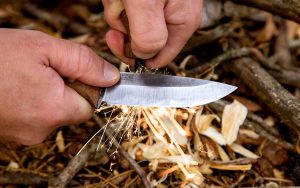
One of the most critical skills for survivalists is the ability to start a fire. Your knife can be a valuable asset in this regard. Use the spine of your knife to strike a ferrocerium rod or flint and create sparks to ignite tinder. Additionally, you can fashion feather sticks or scrape magnesium shavings to help get your fire going.
Shelter Building
In emergency situations, having adequate shelter is essential for survival. Your knife can assist in constructing shelters by cutting branches, notching wood for joints, and carving stakes for securing tarps or makeshift tents. With a sharp blade and some creativity, you can build sturdy shelters to protect yourself from the elements.
Chopping a tree with only your knife
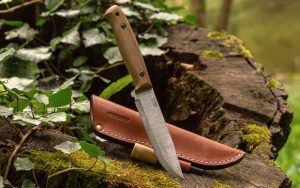
Essentially, you’re going to mimic a beaver’s way of cutting. Full tang knives, like the Adventurer CSHF by BPS Knives, are your best option for this, since they can handle shock during battoning. The spine of the knife also has to be wide for the chopping trick to work.
Here’s how you are going to chop a tree with a knife:
- Find a log. You’re going to need a small, but heavy, wooden log. Something the length of your hand from palm to elbow. Make sure you can hold the log firmly so it won’t slip out;
- Find a dead tree. It’ll look dry, some of the bark can be gone and its branches are dry enough to produce a soft, snapping sound.
- Place the knife at an angle against a wooden log. Best choice is >45 degrees, to reach this mark place your index finger between the spine of the knife and a wooden log — the resulting angle is up to the task.
- Carefully hammer the knife into the wood with a baton, then repeat the same move from below to cut out a wedge;
- Cut out wood around the log;
- Carve out slopes next to the breaking point to make the log thinner;
- Fell the tree.
Food Preparation
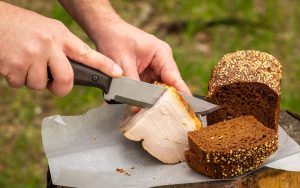
When it comes to food preparation in the wilderness, your knife is your best friend. From filleting fish to skinning game, a sharp knife makes the task much easier. You can also use your knife to carve utensils or skewers for cooking over an open flame, turning your catch of the day into a delicious meal.
First Aid
Injuries can happen unexpectedly in the wilderness, and your knife can be a valuable tool in administering first aid. Use it to cut bandages, fashion splints, or even perform minor surgical procedures if necessary. Just remember to keep your blade clean and sanitized to prevent infection.
Signaling for Help
If you find yourself lost or in distress, your knife can help you attract attention and signal for help. Use it to create reflective signals by polishing the blade or fashioning a makeshift signaling mirror. You can also carve whistle-like devices from wood to produce loud, attention-grabbing sounds.