
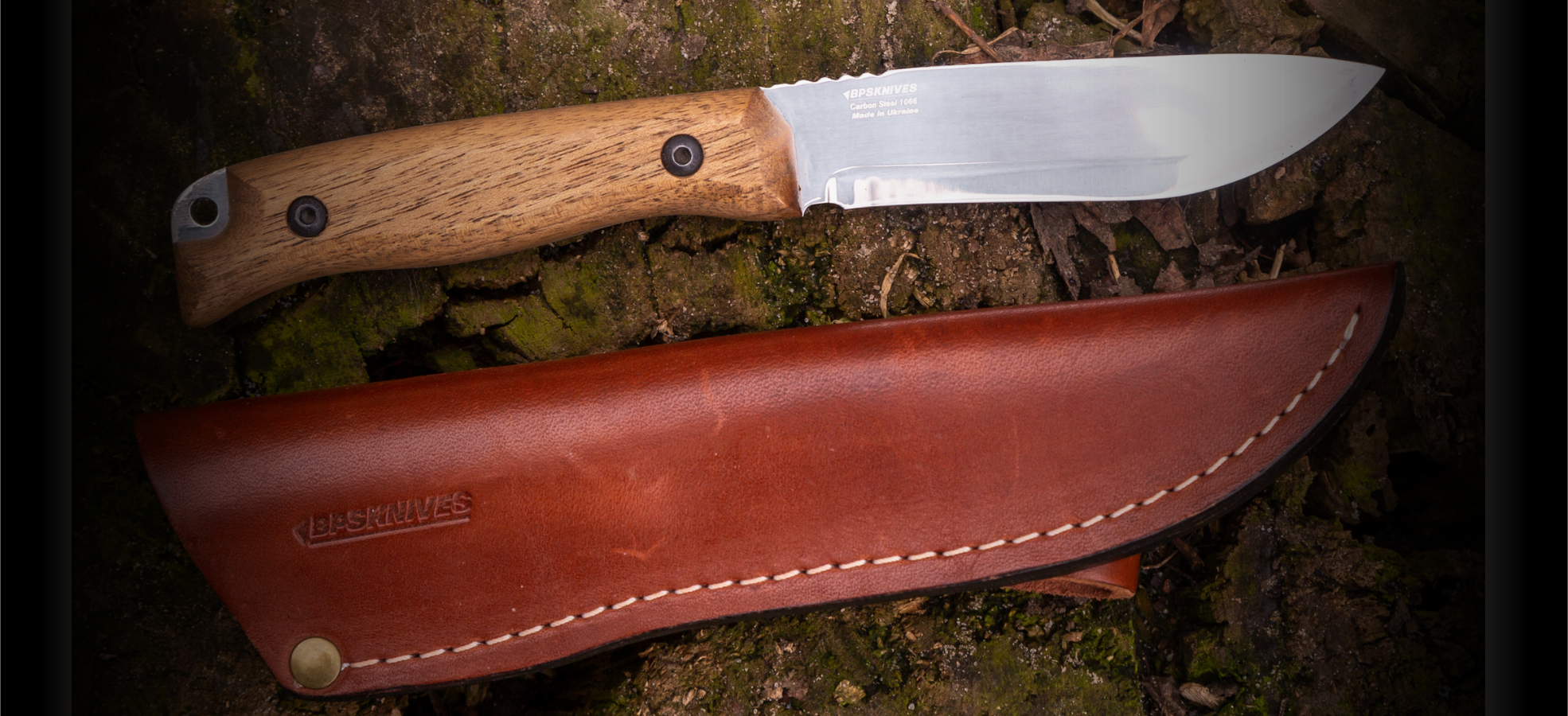
Scandi grind knives are known for their exceptional durability and strength, making them indispensable for any outdoor enthusiast. Discover everything you need to know about Scandi knife grind.
If you’re a knife collector or an outdoor adventurer, you know much about a Scandi grind knife. These knives have gained popularity over the last few years for their versatility and durability. But what makes them different from other types of knives, and why should you consider owning one?
In this blog post, we’ll dive into the world of a Scandi grind knife and explore its unique properties, benefits, and drawbacks.
What is a Scandi Grind on a Knife?
A Scandi grind knife, also known as a Scandi or Scandinavian knife, is a type of knife with blade that is a short flat (occasionally convex) grind on a thin blade where the primary grind is also the edge bevel. The bevel angle is typically around 22 degrees, giving it a narrow, sharp edge.
Scandi grind on a knife is popular in Nordic countries, where such knives are used for outdoor activities such as woodworking, carving, hunting, and fishing.
History of a Scandi Blade Grind
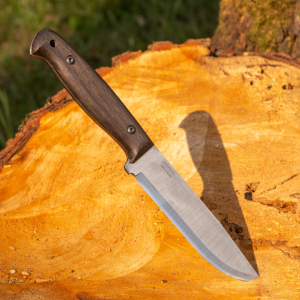
The Scandi grind knife has a long and rich history, dating back to the early Viking age. The Nordic people were renowned for their exceptional metalworking skills.
The design of the Scandi grind knife was well-suited to the harsh conditions of the Nordic environment, where the terrain was often woody, and the weather was unpredictable. The flat bevel of the Scandi grind made the blade more durable and resistant to chipping and breaking while maintaining a sharp edge for cutting and carving.
The Scandi grind knife continued to be used throughout the centuries, and it remains a popular choice among outdoor enthusiasts and bushcrafters today. Its simple design and ease of maintenance make it a practical and reliable tool for a wide range of activities, from hunting and fishing to camping and survival.
In recent years, the popularity of Scandi grind knives has grown beyond the Nordic region. Today, the Scandi grind remains an iconic symbol of Nordic craftsmanship and ingenuity.
What is a Scandi Knife Grind Angle?
The Scandi grind angle typically ranges from 10 to 30 degrees, with a narrower angle resulting in a sharper edge and a wider angle providing more durability. However, a typical Scandi knife grind angle is around 22 degrees.
This grind angle of a blade makes knives well-suited for tasks that require precision, such as carving or slicing, and outdoor activities, such as camping or bushcraft. Its simple design makes knives easy to sharpen and maintain, even in the field.
One thing about Scandi grind knives is that they don’t have a secondary bevel or a microbevel. This means that the blade is ground from the spine of the knife all the way to the cutting edge without any additional bevels or angles.
This is in contrast to many other types of knife grinds, which often feature multiple bevels and angles to enhance cutting performance or durability. The lack of a secondary bevel on Scandi grind knives means they are extremely easy to sharpen and maintain, even in the field or on the go.
What Type of Steel Is Used for Scandi Grind Knives Most Often?
Scandinavian knives have traditionally been made from high-carbon steel, known for its toughness, durability, and ability to hold a sharp edge. High-carbon steel is also relatively easy to sharpen, which makes it well-suited for the Scandi grind, which relies on a simple bevel for cutting performance.
In recent years, however, other types of steel have also been used for Scandi grind knives, including stainless steel, laminated steel, and powdered steel. These materials offer different advantages and trade-offs, such as improved corrosion resistance, increased toughness, or enhanced edge retention.
Benefits of Scandi Grind Knives
One of the main benefits of a Scandi grind knife is its simplicity. Because it has only one bevel, it is easy to sharpen and maintain. You can sharpen it using a whetstone or other sharpening tools, and it will retain its edge for a long time.
Scandi grind knives are also versatile, making them ideal for various tasks, from preparing food to building shelters. They are sturdy and durable, as the thick blade can withstand heavy use and abuse.
Drawbacks of Scandi Grind Knives
While Scandi grind knives have many benefits, they have some drawbacks. For example, their narrow, sharp edge is not quite suitable for slicing through soft materials. They also require more force, which can be tiring over time.
Additionally, the thick blade can make it challenging to cut through thicker materials or create intricate cuts.
Choosing the Right Scandi Grind Knife
When it comes to choosing a Scandi grind knife, there are some essential factors to consider. One is the blade material, which can vary from stainless steel to high-carbon steel. Stainless steel is more resistant to rust and corrosion, but high-carbon steel is stronger and holds a sharper edge. You should also consider the handle material, which can range from wood to synthetic materials such as G-10 or Micarta.
Final Thoughts. Whether you’re an outdoorsman, or just a lover of versatile and durable knives, a Scandi grind knife may be a great addition to your collection. Its simplicity, versatility, and durability can help you easily tackle various tasks. Just choose the right knife based on your needs and preferences. Happy chopping!