
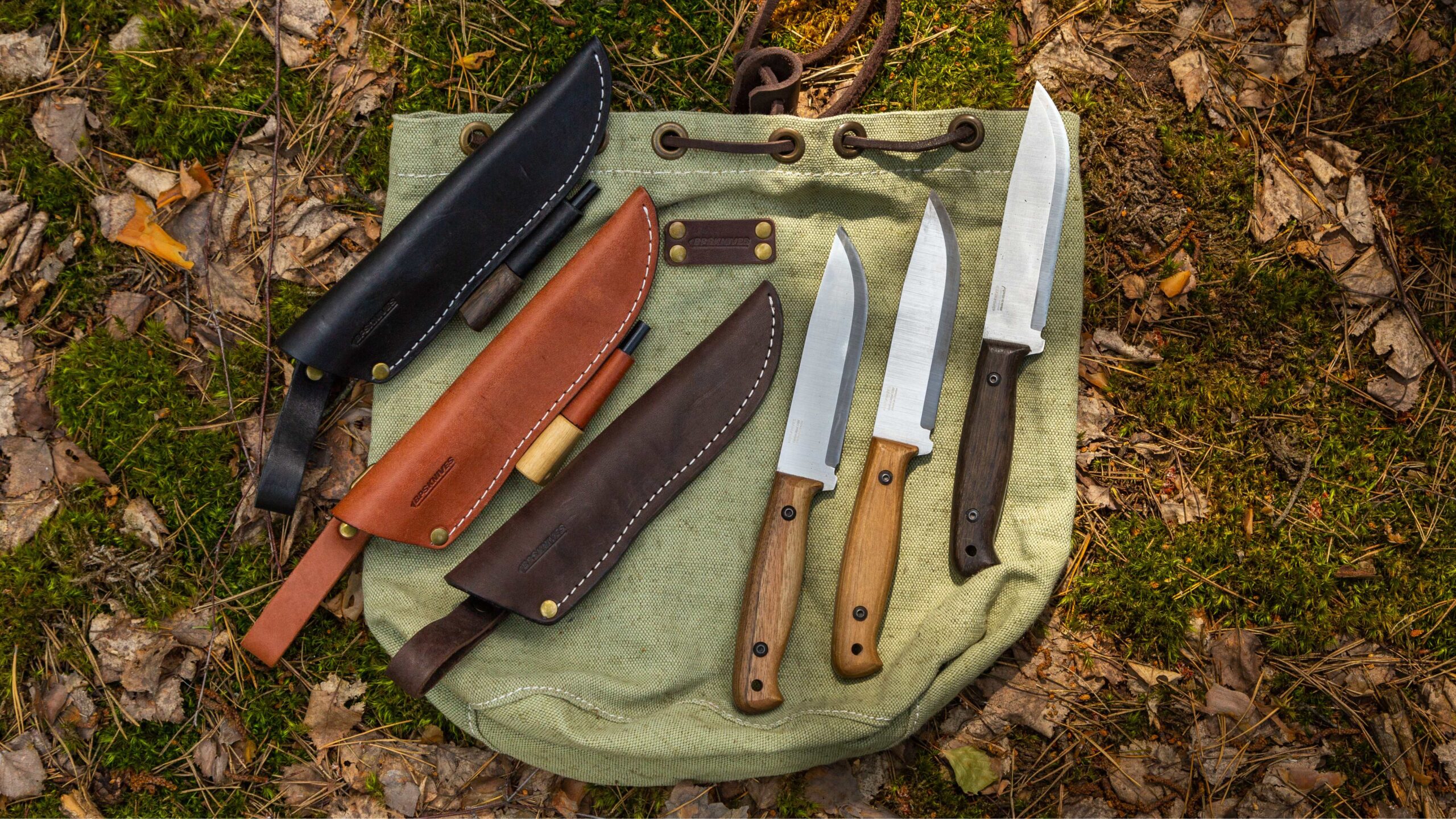
For those who venture into the wilderness, wield tools in their everyday lives, or simply appreciate quality craftsmanship, understanding knives is essential. The right blade can be the difference between a smooth, efficient task and a frustrating struggle. This article explores the significance of selecting the appropriate knife for various purposes, highlighting how it enhances performance, safety, and overall satisfaction.
The Importance of Knife Selection: Enhancing Performance and Safety
Using the wrong knife can be like trying to hammer a nail with a screwdriver. It’s inefficient, potentially damaging to the tool, and in some cases, downright dangerous. A flimsy paring knife attempting to split firewood risks snapping, while a hefty machete might be unwieldy for delicate food prep. Selecting the right survival knife or bushcraft knife empowers you to tackle tasks with confidence and control, maximizing efficiency and minimizing the risk of injury.
Understanding Different Knife Types and Their Applications
The world of knives is vast, with each blade style catering to specific uses. Here’s a glimpse into some popular categories:
- Bushcraft Knives: Compact and versatile, these excel at whittling, carving, and light chopping tasks encountered in wilderness survival or campsite preparation.
- Survival Knives: Often featuring a thicker blade and sometimes a serrated edge, these can handle heavier tasks like batoning wood or building shelters in emergency situations.
- Handmade Knives: These beauties are often heirloom-quality pieces, crafted from high-quality materials and boasting unique designs. While some are works of art, others prioritize functionality for specific tasks.
- Camping Knives: A balance between size and capability, these all-around knives can handle food preparation, light carving, and potential campsite needs.
- EDC Knives: Compact and discreet, these knives are ideal for everyday tasks that might arise during your day-to-day routines. They often feature a locking mechanism for safety.
- Tactical Knives: Primarily designed for self-defense or utility purposes in tactical situations, these knives may have features like a thick blade, prominent point, or glass breaker. They can also be folding knives.
Factors to Consider When Choosing a Knife
When selecting your perfect blade, consider these key factors:
Blade Material and Shape:
- Material: High-carbon steel offers a sharp edge but requires more maintenance. Stainless steel is more corrosion-resistant but might not hold an edge as well.
- Shape: Drop-point blades are versatile, while clip-point blades excel at piercing. Serrated edges are good for slicing rope or fibrous materials.
Construction of knife:
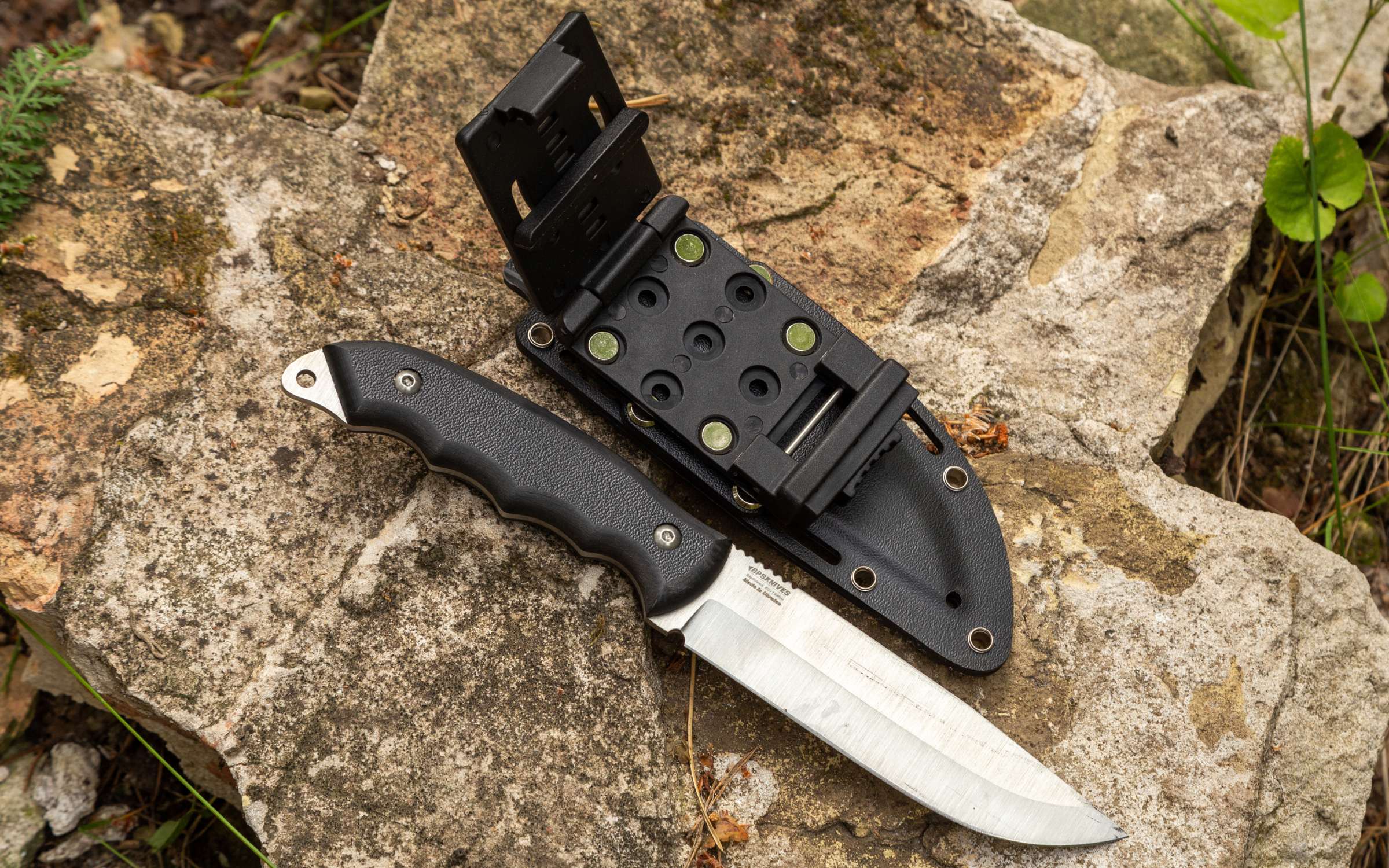
- Full-tang: The blade extends the entire length of the handle for added strength. This is a key feature to consider, especially for survival knives and bushcraft knives.
- Partial-tang: The blade extends partway into the handle, offering a lighter weight option.
- Folding Knives: These knives feature a hinged mechanism that allows the blade to fold into the handle for compact storage and safe carrying. They come in various sizes and blade types, making them suitable for EDC tasks, utility purposes, or even self-defense depending on the design. Folding knives often incorporate a locking mechanism to secure the blade in place when open.
Handle Design and Material:
Comfort and grip are crucial. Popular handle materials include grippy rubber, classic wood, or even bone for a luxurious feel.
Matching the Knife to the Task: Practical Examples
- Food Prep at Camp: A small, maneuverable camp knife with a high-quality stainless steel blade will handle most food prep tasks efficiently.
- Bushcraft Activities: A well-made bushcraft knife with a comfortable handle and a carbon blade knife for fine carving is ideal.
- Everyday Carry: A compact folding knife with a locking mechanism is perfect for simple tasks around town.
Final Thoughts
Choosing the right knife is an investment in your experience. By understanding the different types of knives and the factors to consider when selecting one, you’ll be equipped to tackle any task with confidence and satisfaction. For those looking to delve deeper, resources like How To Pick Your First Bushcraft Knife and How to Pick Your First Survival Knife offer extensive guides. Remember, a quality full tang knife with a knife with sheath is a wise investment for outdoor adventures. From the seasoned bushcrafter to the everyday user, the right blade can be an empowering and versatile companion.