

When it comes to surviving in the wilderness, few tools are as indispensable as a bushcraft knife. A well-made knife is an essential tool that can help you fashion everything from shelter and fire to hunting and food preparation.
But with so many different types of bushcraft knives on the market, it can be tough to know what to look for in a survival knife and how to use it once you’ve got one. This guide is designed to give you a simple overview of the key things you need to know about using a bushcraft knife for wilderness living and survival.
What is Bushcraft Knife?
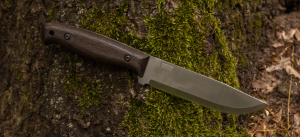
A bushcraft knife is designed for outdoor use, specifically for wilderness survival and bushcraft activities such as woodcarving, fire-making, shelter-building, and hunting. It typically has a fixed blade and a sturdy handle that provides a comfortable and secure grip.
The bushcraft knife blade is usually between 3 and 6 inches long and is made of high-carbon steel, which is durable and holds a sharp edge well. Bushcraft knives are versatile tools that can be used for a wide range of outdoor tasks and are an essential piece of gear for anyone who spends time in the wilderness.
Understanding the Anatomy of a Bushcraft Knife
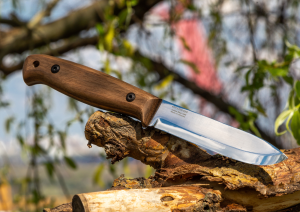
Before you start using a bushcraft knife, it’s important to understand its basic anatomy. A typical bushcraft knife consists of the blade, the handle, the spine, and the tip.
Bushcraft Knife Blade
The shape of the blade determines its suitability for various tasks such as carving, cutting, and skinning. For example, a drop-point blade is ideal for general use, while a clip-point blade is better for piercing and slicing. A bushcraft knife with a full flat grind is great for chopping, while a Scandi grind is excellent for carving and slicing.
The blade’s spine is the blade’s thicker, unsharpened side and can be used for tasks such as batoning. The tip is the pointy end of the blade and can be used for precision cutting or piercing.
Bushcraft Knife Blade Material
The type of steel used in the blade affects its durability, corrosion resistance, and edge retention. High-carbon steel is ideal for bushcraft knives because it holds a sharp edge, is easy to sharpen in the field, and can withstand heavy use.
Bushcraft Knife Handle
The handle material should be durable, comfortable, and provide a good grip, even when wet. Popular materials for bushcraft knife handles include wood, G10, Micarta, and synthetic rubber.
Bushcraft Knife Tang
The tang is the portion of the blade that extends into the handle. A full-tang knife provides more strength and durability than a partial-tang knife, making it a better choice for heavy use in the wilderness.
In summary, the anatomy of a bushcraft knife is important for wilderness survival because it affects the knife’s suitability for various tasks, durability, and ability to withstand heavy use. Choosing the right bushcraft knife can significantly impact your ability to survive and thrive in the wilderness.
Choosing the Right Bushcraft Knife
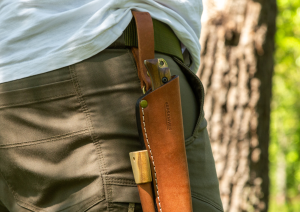
When choosing a bushcraft knife, it’s important to consider a number of key factors. These include the size of the blade, the type of steel used to make the knife, and the overall design of the knife. For example, a smaller knife may be better for intricate cutting tasks, while a larger knife may be better for chopping and batoning.
High-quality steel is also important, as a good blade will hold its edge and resist corrosion over time.
Basic Wilderness Survival Skills
Once you’ve chosen the right bushcraft knife, you’ll need to start learning some basic wilderness survival skills. These can include:
- Building a shelter
- Starting a fire
- Finding food and water
- Basic first aid
Depending on where you’ll be surviving, you may also need to learn skills specific to that environment, such as navigation or animal tracking.
The Many Uses of a Bushcraft Knife in Survival Situations
A bushcraft knife is a versatile tool that can be used for a wide range of tasks in survival situations. Here are some of the many uses of a bushcraft knife in the wilderness:
Shelter Building
A bushcraft knife can be used to cut and shape natural materials such as branches, leaves, and grass to build a shelter to protect against the elements.
Fire Starting
A bushcraft knife can be used to create sparks by striking it against a piece of flint or a ferrocerium rod, which can then be used to start a fire. The blade can also be used to create shavings and feather sticks to help get the fire started. This will allow you to cook food, purify water, and stay warm.
Food Procurement
A bushcraft knife can be used for hunting, trapping, and fishing, allowing you to procure your own food in the wilderness. You can also use it to forage for edible plants and berries.
Food Preparation
A bushcraft knife can be used to process and prepare food in the wilderness. It can be used to skin and gut game, cut fish, and prepare vegetables. The sharp blade of a bushcraft knife can be used to prepare food by cutting meat and vegetables, filleting fish, and even cracking open nuts. This eliminates the need for separate food preparation tools.
Water Procurement
By using a bushcraft knife, you can dig for water, create a water filtration system, or collect rainwater. This will help you to stay hydrated and avoid dehydration. You can make a digging stick or a water collection system from bark or leaves.
Tool Making
A bushcraft knife can be used to create other tools, such as wooden stakes, fishing hooks, and bow drill sets. This can help you to be more self-sufficient and less reliant on outside resources.
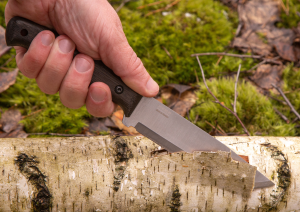
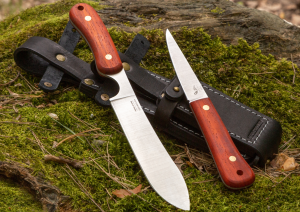
With a bushcraft knife, you can also carve wooden tools such as spoons, spatulas, and even bowls. This eliminates the need for cutlery in the wild.
First Aid
A bushcraft knife is useful to cut clothing to make bandages and splints in case of injury. and remove splinters, fishhooks, thorns, and ticks.
Navigation
While a bushcraft knife is not specifically designed for navigation, it can be used as a tool to aid in navigation in the wilderness:
Creating Trail Markers: A bushcraft knife can be used to create trail markers by carving arrows or symbols into trees, rocks, or other natural features. This can help you to find your way back to camp or to mark a safe route.
Sun Compass: A bushcraft knife can be used to create a simple sun compass. This can be done by placing a straight stick upright in the ground and marking the tip of its shadow with a rock. Wait for 10 to 15 minutes and mark the new tip of the shadow. Draw a line between the two points, which will run east to west. The line perpendicular to this will point north and south.
Tip: In the northern hemisphere, the sun rises in the east and sets in the west. In the southern hemisphere, it’s the opposite.
It’s important to note that a bushcraft knife should not be relied upon as your sole means of navigation in the wilderness. You should always carry a map, compass, and GPS device (if possible) and know how to use them properly.
However, a bushcraft knife can be a useful tool to aid in navigation, especially if you find yourself without your primary navigation tools.
Finally, it’s important to remember that survival skills take time and practice to master. Make sure you research and learn as much as possible before heading out into the wilderness with your bushcraft knife in hand.
Having a bushcraft knife and the skills to use it effectively can greatly increase your chances of survival in the wilderness. Practice your skills in a safe and controlled environment before taking them to the field, and always be prepared with backup supplies and emergency gear in case of unforeseen circumstances.
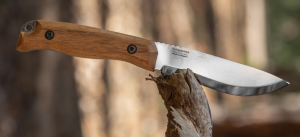
How a Bushcraft Knife Can Replace Multiple Tools
A bushcraft knife is a versatile tool that can replace multiple tools in the wilderness. Here are some reasons why:
Knife Blade
The sharp blade of a bushcraft knife can be used for a variety of cutting tasks, such as chopping, slicing, and carving. This eliminates the need for separate tools such as an ax or saw.
Fire Starter
Many bushcraft knives have a flat spine that can be used to strike a ferrocerium rod, creating sparks for starting a fire. This eliminates the need for a separate fire starter.
Digging Tool
A bushcraft knife can be used as a digging tool to create a fire pit, a shelter foundation, or to dig for water. This eliminates the need for a separate digging tool.
By replacing multiple tools with a bushcraft knife, you can reduce the weight and bulk of your gear, making it easier to carry and reducing the risk of losing or forgetting tools. This is especially important in survival situations where every ounce of weight counts and space is limited.
In addition, a bushcraft knife is a durable and reliable tool that can last for many years, making it a worthwhile investment for anyone who spends time in the wilderness.
Final Thoughts
Using a bushcraft knife for wilderness living and survival can be one of the most rewarding experiences out there. With the right knife, some basic survival skills, and some practice, you’ll be able to prepare everything you need to live off the land, no matter where you find yourself.
By using a bushcraft knife to aid in self-sufficiency in the wilderness, you can also gain greater independence and self-reliance. You will be able to procure your own food, water, and shelter, and even make your own tools and first-aid supplies. This can help you survive and thrive in the wilderness, even if you are far from civilization.
Just remember always to prioritize safety and never take unnecessary risks. With a little perseverance and determination, you’ll soon be on your way to becoming a true wilderness survival expert.