
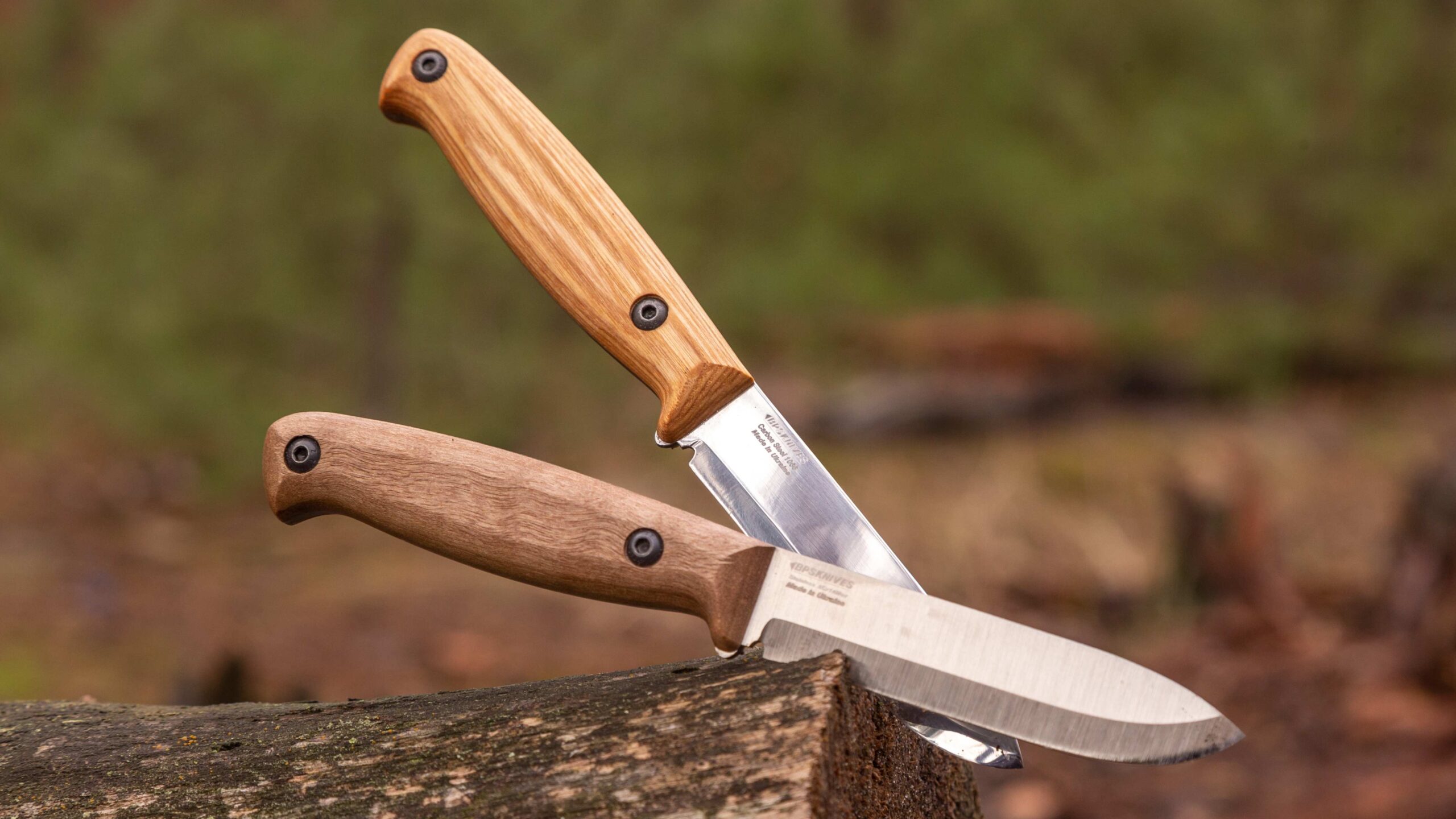
The finish applied to a knife blade plays a crucial role in its aesthetics, functionality, and maintenance. From the gleaming shine of a mirror polish to the rugged texture of a stonewash, understanding the different finishes empowers you to choose the ideal knife for your needs and preferences.
Blade Finish and Impact on Cutting Feeling
While the aesthetics of a knife blade finish are undeniable, the chosen finish can also subtly influence the cutting feel.
What is Blade Finish?
A blade finish refers to the final surface texture applied to a knife blade after forging or grinding. This finishing process impacts both the appearance and performance of the blade.
Impact on Cutting Feeling
The finish can influence the cutting feel of the knife. For instance, a polished finish creates a smooth, effortless cut, while a textured finish may offer more grip on food items.
Can you change or reapply a finish to my existing knife?
While it’s technically possible to reapply a finish to a knife, it’s generally not recommended for most individuals due to the specialized tools and skills required. It’s often more practical and cost-effective to invest in a new knife with the desired finish.
Common Types of Blade Finishes
Choosing the right blade finish for your knife goes beyond aesthetics. Each finish offers unique characteristics that impact functionality, blade finish maintenance, and overall knife blade appearance. Let’s delve into some popular options:
Mirror Polished Finish
- Characteristics: High-gloss, reflective surface.
- Benefits: Excellent aesthetics, easy cleaning.
- Drawbacks: Shows scratches and fingerprints easily, may be slightly less grippy.
- Use cases: Often found on chef’s knives and presentation knives where aesthetics are a priority.
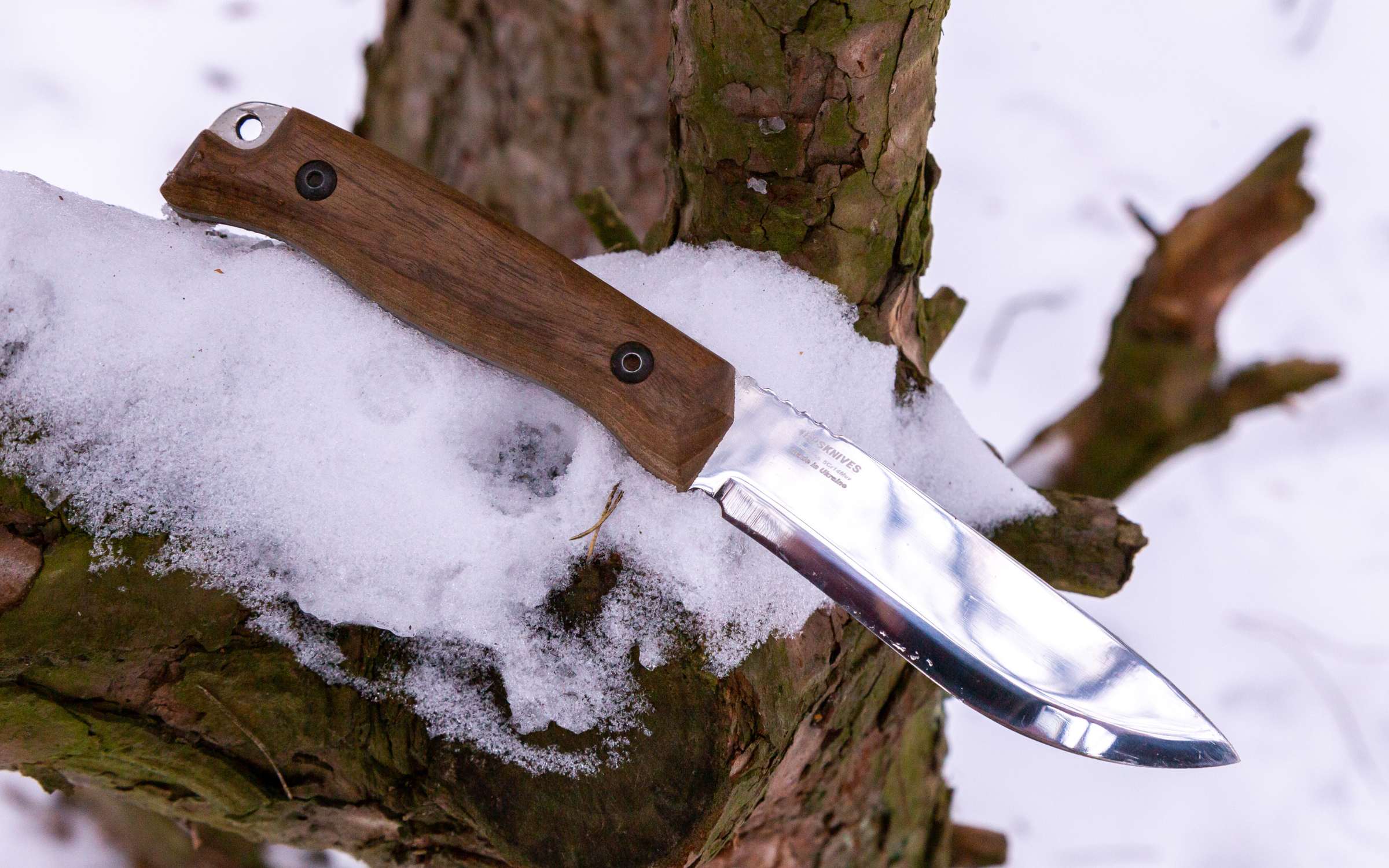
Stonewashed Finish
- Characteristics: Slightly textured, matte surface with a worn, slightly hazy appearance.
- Benefits: Hides scratches and wear well, enhances grip.
- Drawbacks: May be slightly more difficult to clean.
- Use cases: Popular for everyday carry (EDC) knives and outdoor knives due to its durability and practicality.
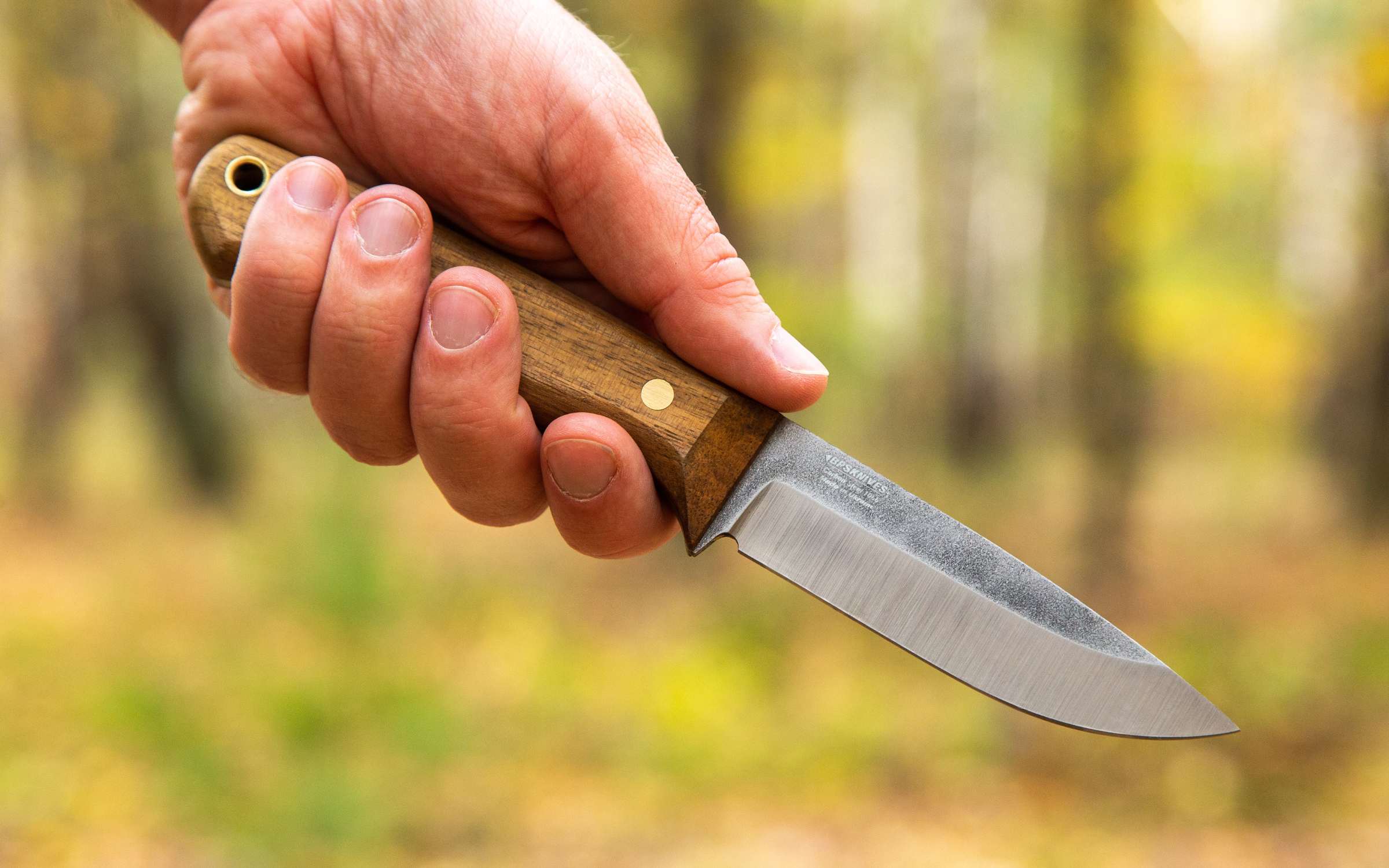
Satin or Brushed Finish
- Characteristics: Smooth, non-reflective surface with a subtle directional grain.
- Benefits: Good balance between aesthetics and functionality, hides scratches moderately well.
- Drawbacks: May show some fingerprints or smudges.
- Use cases: Versatile finish found on a wide range of knives, from kitchen knives to hunting knives.
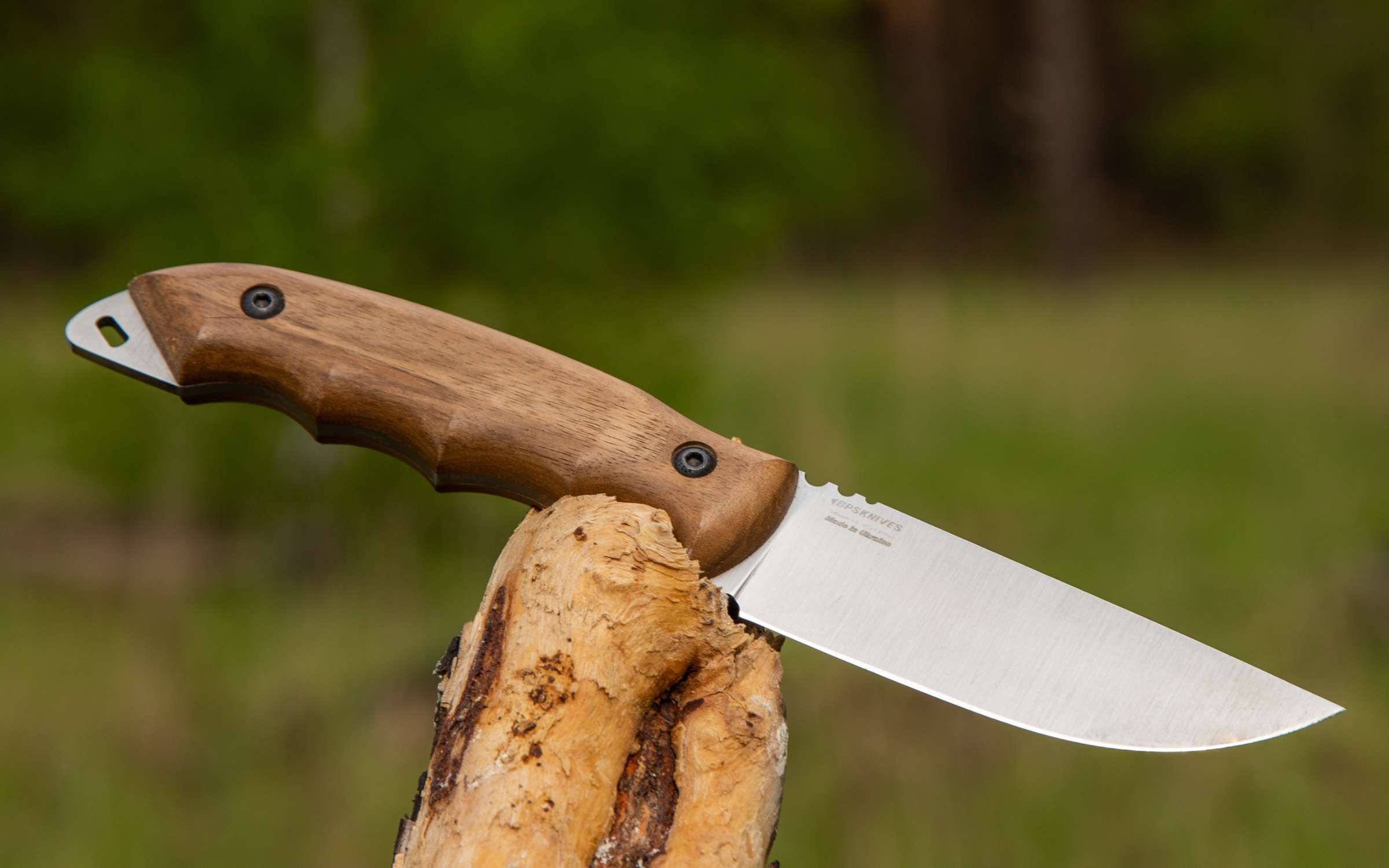
Blasted Finish
- Characteristics: Rough, textured surface created by blasting with abrasive media.
- Benefits: Excellent for hiding scratches and wear, provides superior grip.
- Drawbacks: May be more difficult to clean, might not appeal to everyone aesthetically.
- Use cases: Often used on tactical knives and work knives where functionality and durability are paramount.
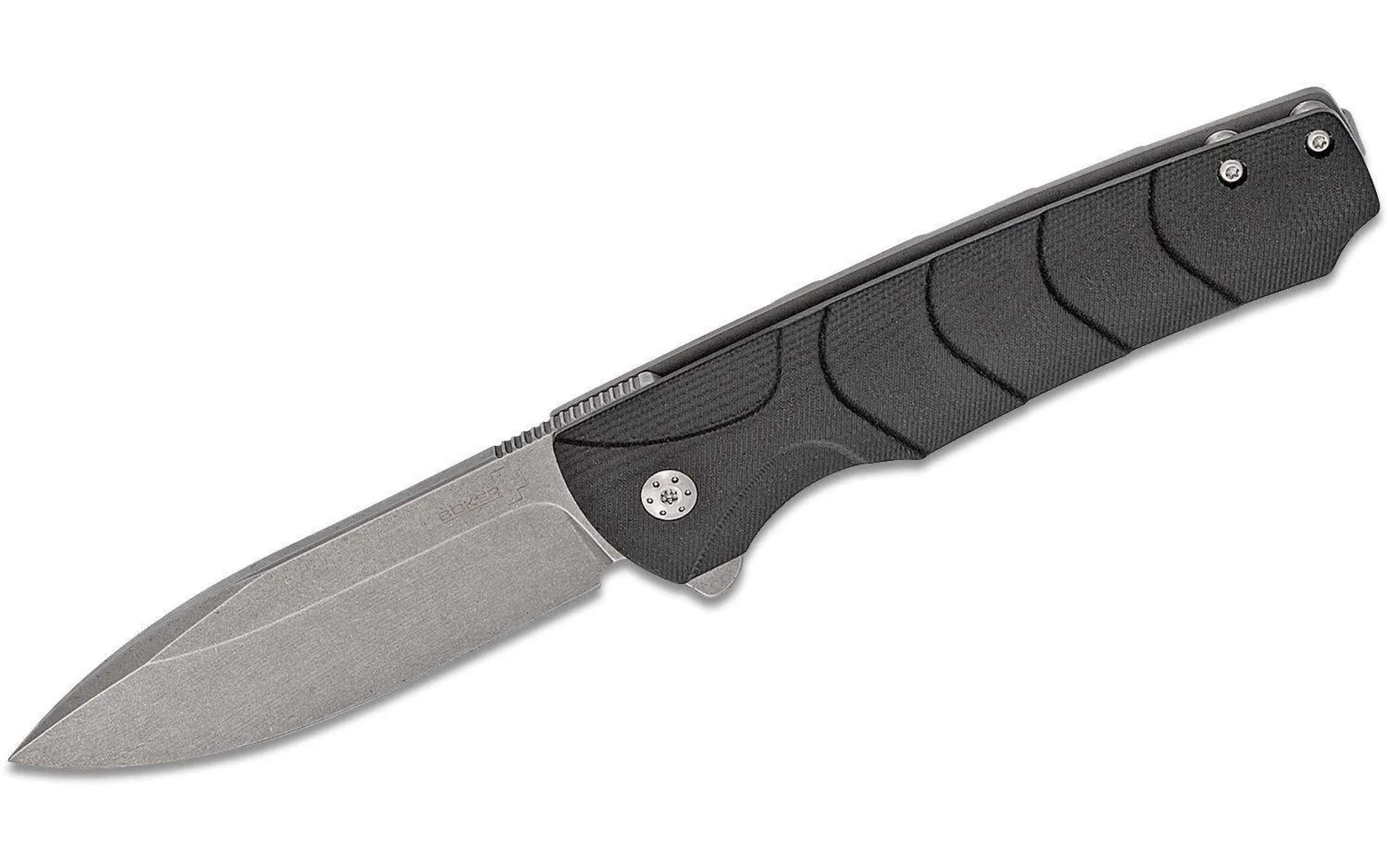 Photo drom noblie.eu
Coated Finish
- Characteristics: A thin layer of non-metallic material applied to the specialty blade finishes, such as Teflon or ceramic.
- Benefits: Enhanced corrosion resistance, reduced friction, easier cleaning.
- Drawbacks: May scratch or chip, can alter the cutting performance slightly.
- Use cases: Popular for hunting knives and kitchen knives where corrosion resistance and low maintenance are desired.
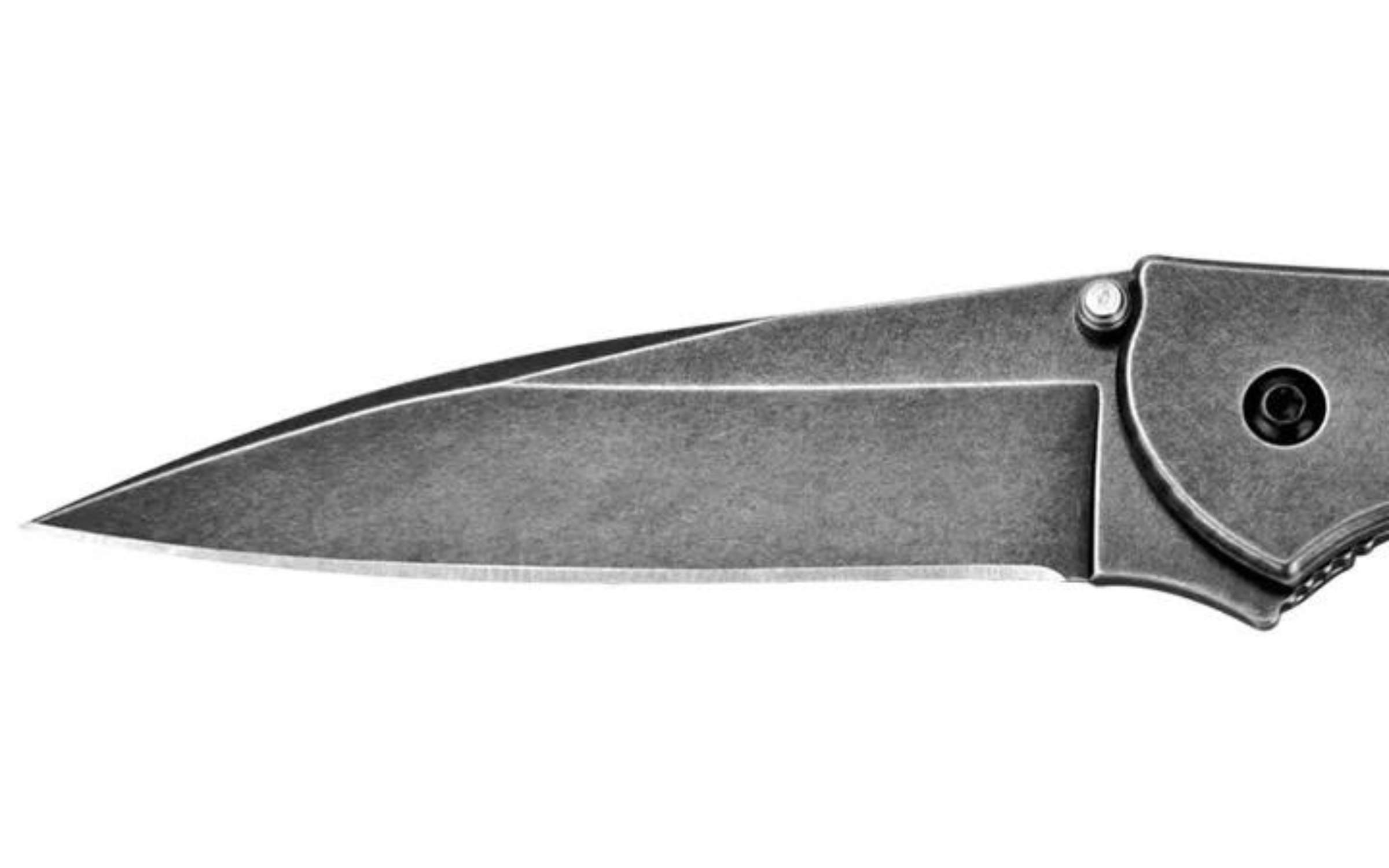 Photo from kershaw.kaiusa.com
Common Japanese Knife Finishes
While common finishes like satin and mirror polish are familiar territory, the world of knives offers a treasure trove of unique options that go beyond aesthetics. These finishes often have functional benefits, adding personality and performance to your blade. Let’s explore a couple of these fascinating finishes:
- Kurouchi Finish: This finish, with its distinctive black oxide layer, whispers of the blacksmith’s forge. The traditional Japanese technique involves leaving a layer of iron oxide on the blade after heat treatment. This creates a beautiful, almost charcoal-like appearance. But beyond aesthetics, the Kurouchi finish offers practical advantages. The black oxide layer provides some level of corrosion resistance and can improve food release by creating tiny crevices that prevent food from sticking to the blade. This finish is a popular choice for Japanese knives, particularly those used for tasks like vegetable preparation.
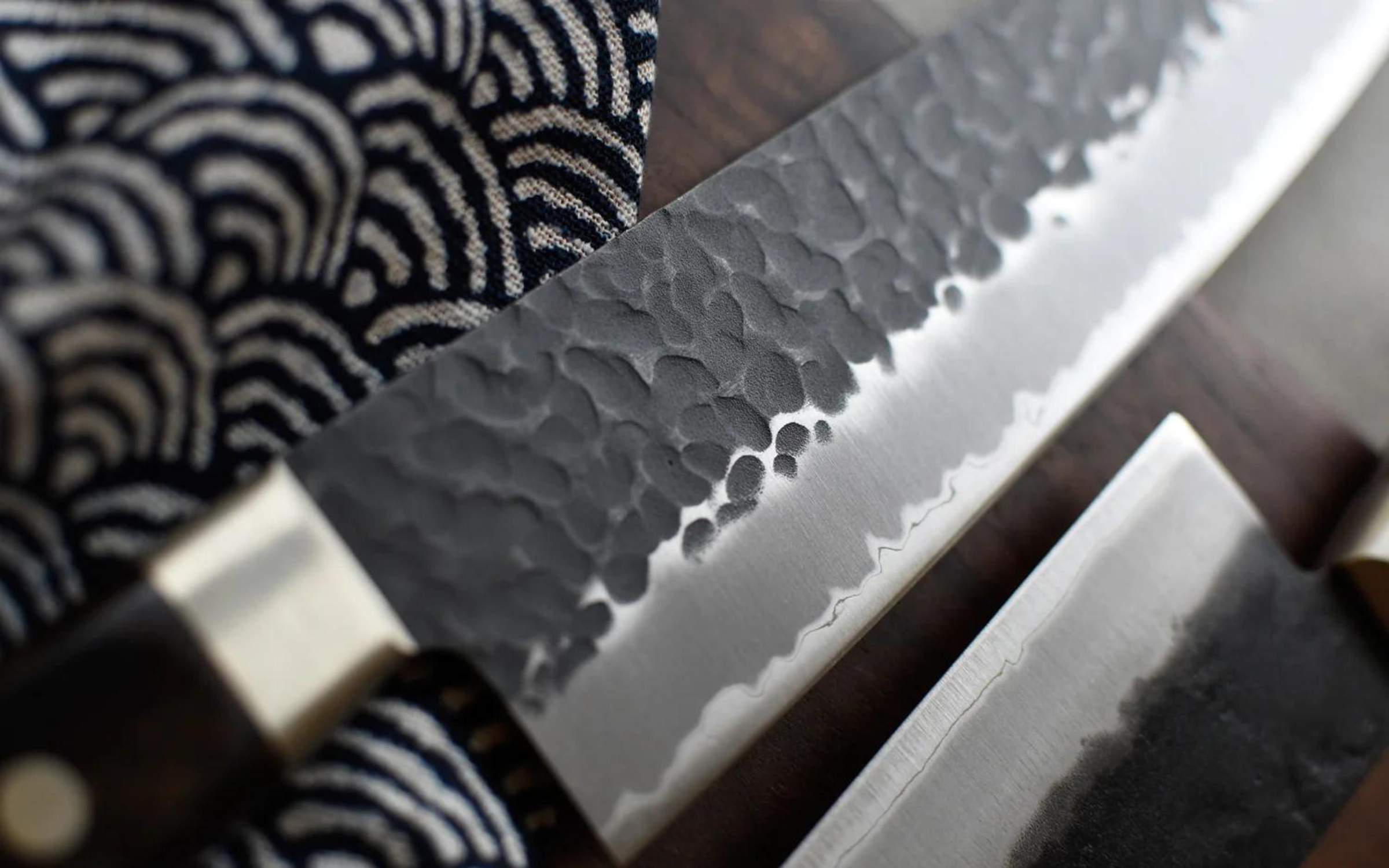 Photo from sharpedgeshop.com
- Tsuchime Finish: Imagine a hammered symphony on steel. The Tsuchime finish, also hailing from Japan, involves hammering the blade surface to create a textured pattern. This hammering not only adds a visually striking, hammered look but also serves a functional purpose. The textured surface creates tiny air pockets that help reduce food sticking to the blade during slicing and chopping. This makes the Tsuchime finish a great choice for knives used for tasks like prepping vegetables or mincing herbs.
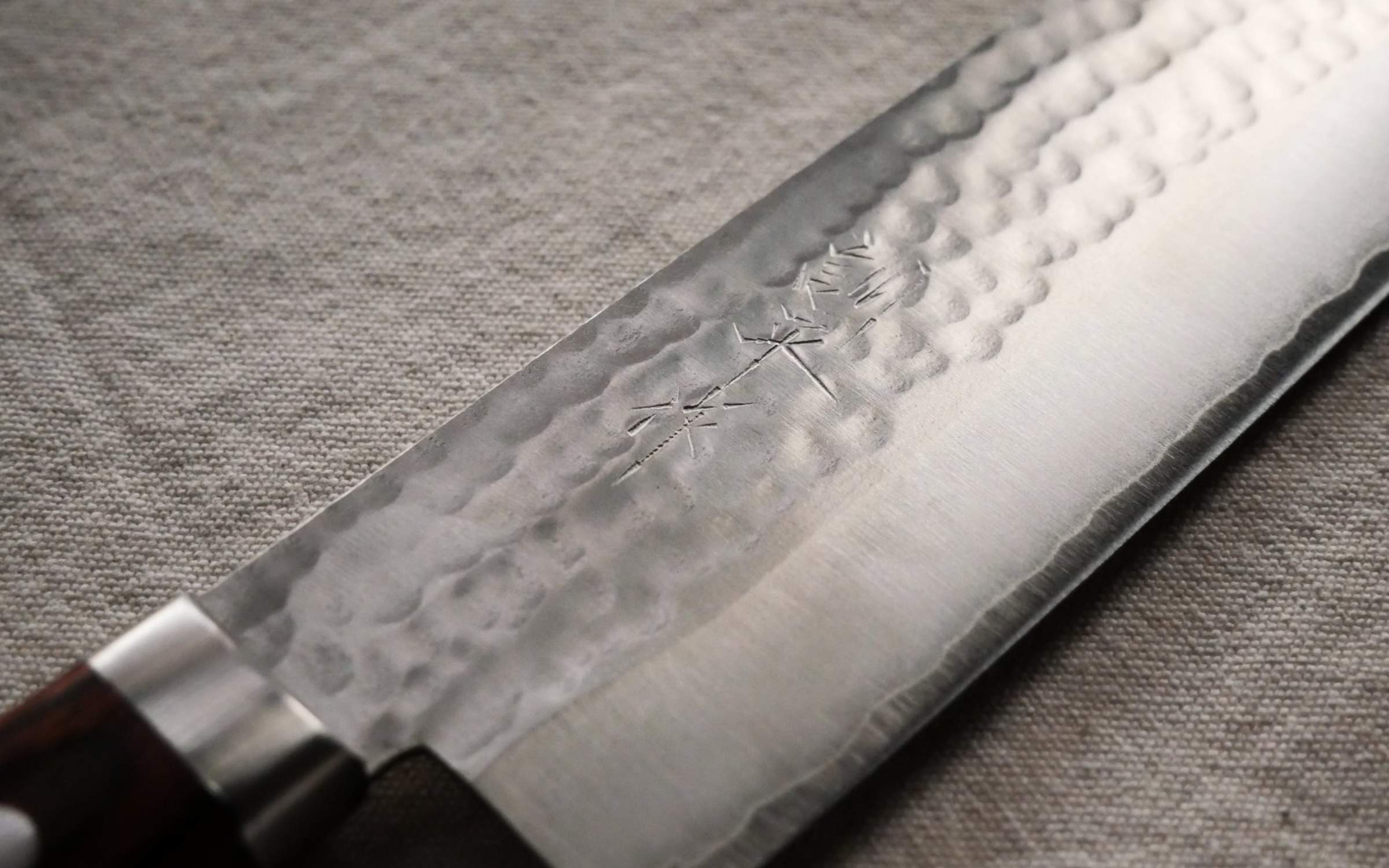 Photo from kitchensamurai.co.za
How To Choose The Best Blade Finish For Your Knife
Consider these factors when selecting a blade finish:
- Intended use: What will you be using the knife for? Prioritize blade finish aesthetics for a presentation knife, durability for an EDC knife, or corrosion resistance for a kitchen knife.
- Maintenance preferences: Do you prefer a low-maintenance finish like a coated blade or are you willing to invest more time in care for a mirror polished knife blades?
- Personal preference: Ultimately, choose a finish that appeals to your aesthetic sensibilities.
Final Thoughts
Understanding the different knife blade finishes empowers you to make informed choices that align with your needs and preferences. Explore the various options, consider the trade-offs between aesthetics and functionality, and choose the finish that best complements your knife and your unique culinary or outdoor endeavors.