
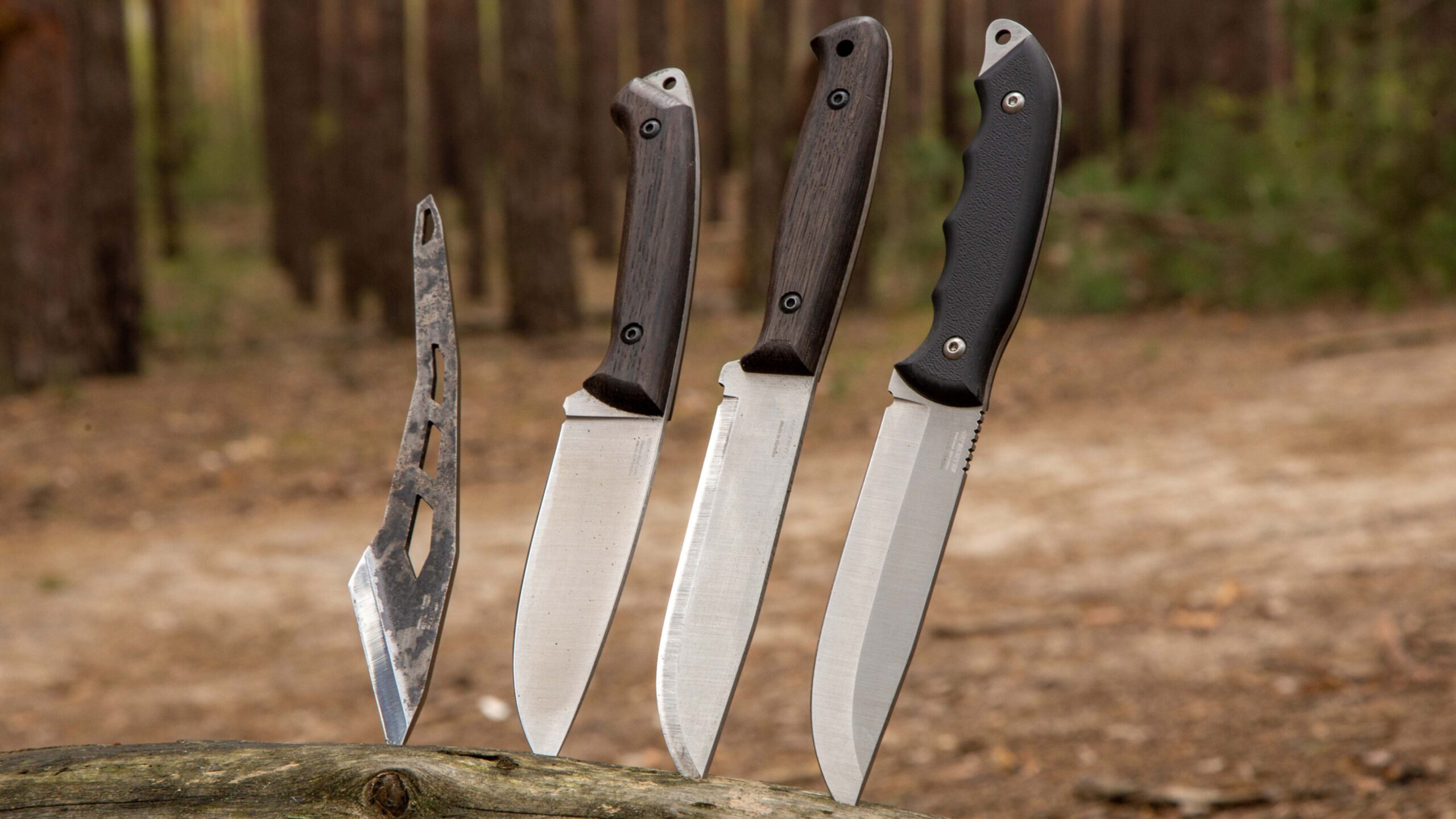
This article delves into the various knife handle materials available for Everyday Carry (EDC) knives, exploring their unique characteristics, benefits, and drawbacks. Understanding these different options will empower you to select the perfect handle that complements your needs and preferences.
Selecting the Right Handle
Your everyday carry knife is a trusted companion, and choosing the right handle material is crucial for a positive experience. Here’s a breakdown of key factors to consider when selecting the ideal handle for your needs:
Durability and Maintenance
- Low-Maintenance Champions: Synthetic materials like G-10 or FRN (fiberglass-reinforced nylon) are incredibly durable and require minimal upkeep. They can handle moisture, dirt, and everyday wear and tear without needing constant pampering.
- Natural Beauty, Higher Needs: Wood and bone handles offer a classic aesthetic but demand more TLC. Regular cleaning, conditioning with oil, and avoiding excessive moisture are necessary to maintain their beauty and prevent cracks or warping.
- Metallic Muscle: While offering exceptional strength, metals like titanium or stainless steel can be susceptible to scratches and require occasional cleaning to maintain their luster.
Grip and Comfort
- Unwavering Hold: Textured synthetics like rubber or Kraton excel in providing a secure grip. This is ideal for situations where a firm grasp is paramount.
- Timeless Comfort: Wood handles offer a naturally comfortable grip that conforms slightly to your hand over time. However, they may become slippery when wet.
- Balanced Performance: Micarta, a composite material made from linen and resin, provides a good balance between grip and comfort. It offers secure hold without being overly abrasive.
Weight and Aesthetics
- Featherweight Fighters: G-10, FRN, and aluminum handles are lightweight options, making your EDC knife less noticeable and reducing fatigue during prolonged carrying.
- Classic Elegance: Wood and bone handles add a touch of sophistication and natural beauty to your knife. However, they tend to be heavier than some synthetic options.
- Modern Appeal: Titanium handles offer a sleek, modern aesthetic while remaining relatively lightweight. They can also be anodized for a variety of vibrant colors.
By considering these factors, you can narrow down your choices and select the handle material that best complements your EDC lifestyle. Whether you prioritize low maintenance, a secure grip, a lightweight carry, or a touch of style, there’s a perfect handle material waiting to be discovered. So, take your time, assess your needs, and find the handle that makes your EDC knife not just functional, but a true extension of yourself.
Additional Resources
For a comprehensive knife handle selection guide, consider consulting resources from reputable knife manufacturers or online retailers specializing in EDC equipment. These resources often provide detailed information on various handle materials, their properties, and suitability for different use cases.
Now let’s summarize the different types of materials used for knife handles
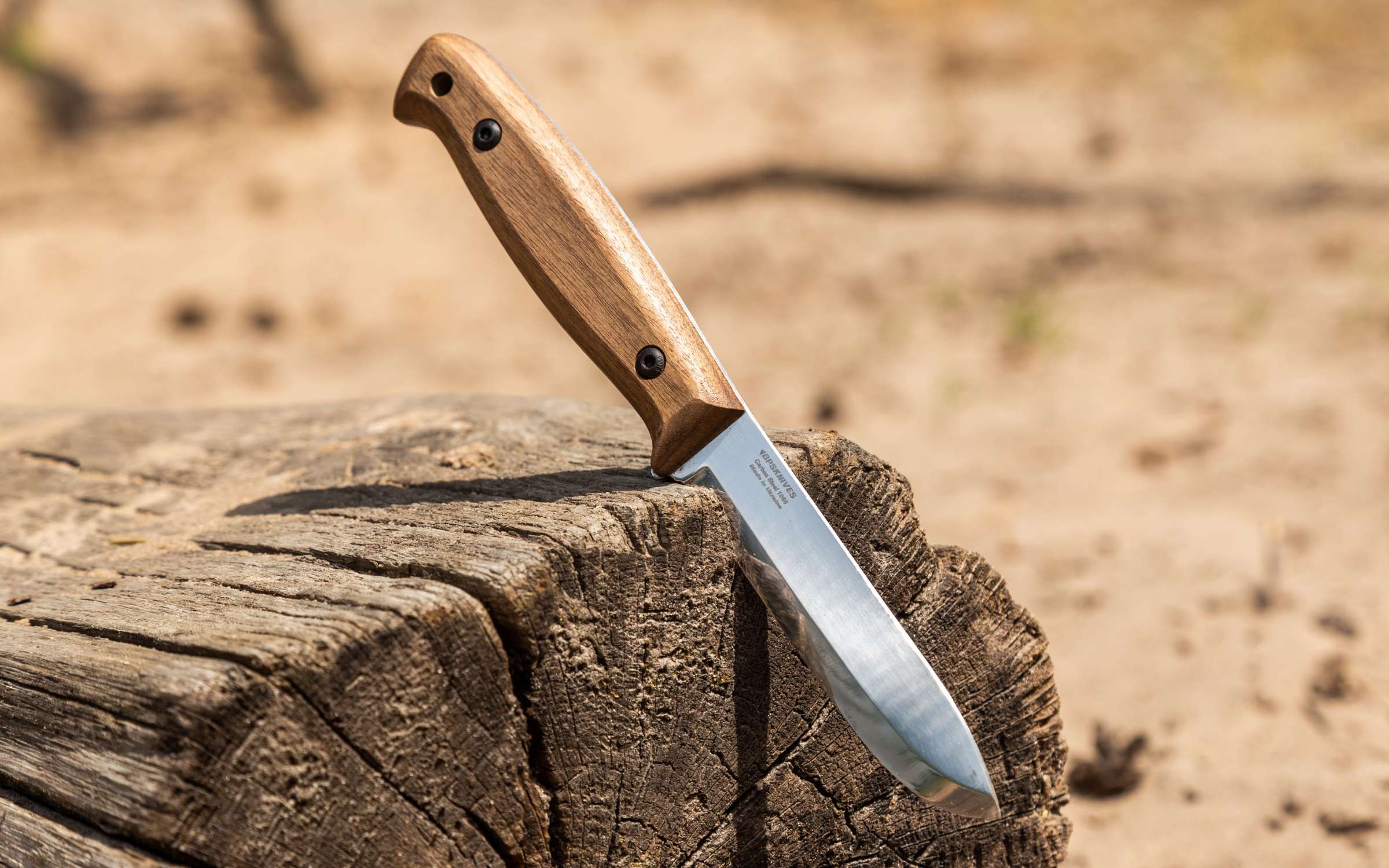
Wooden Knife Handles
Classic and timeless, wooden handles are prized for their natural beauty, warmth, and good knife handle materials. Common wood types include walnut, rosewood, and ebony. However, wood requires regular maintenance with oil to prevent drying and cracking.
Composite Knife Handles
What are composite knife handles made of?
Composite knife handles are constructed from a combination of various materials, offering a blend of desirable properties. These materials are typically bonded together using a strong adhesive or resin to create a durable and unique handle. Here are some of the most common materials used in composite knife handles:
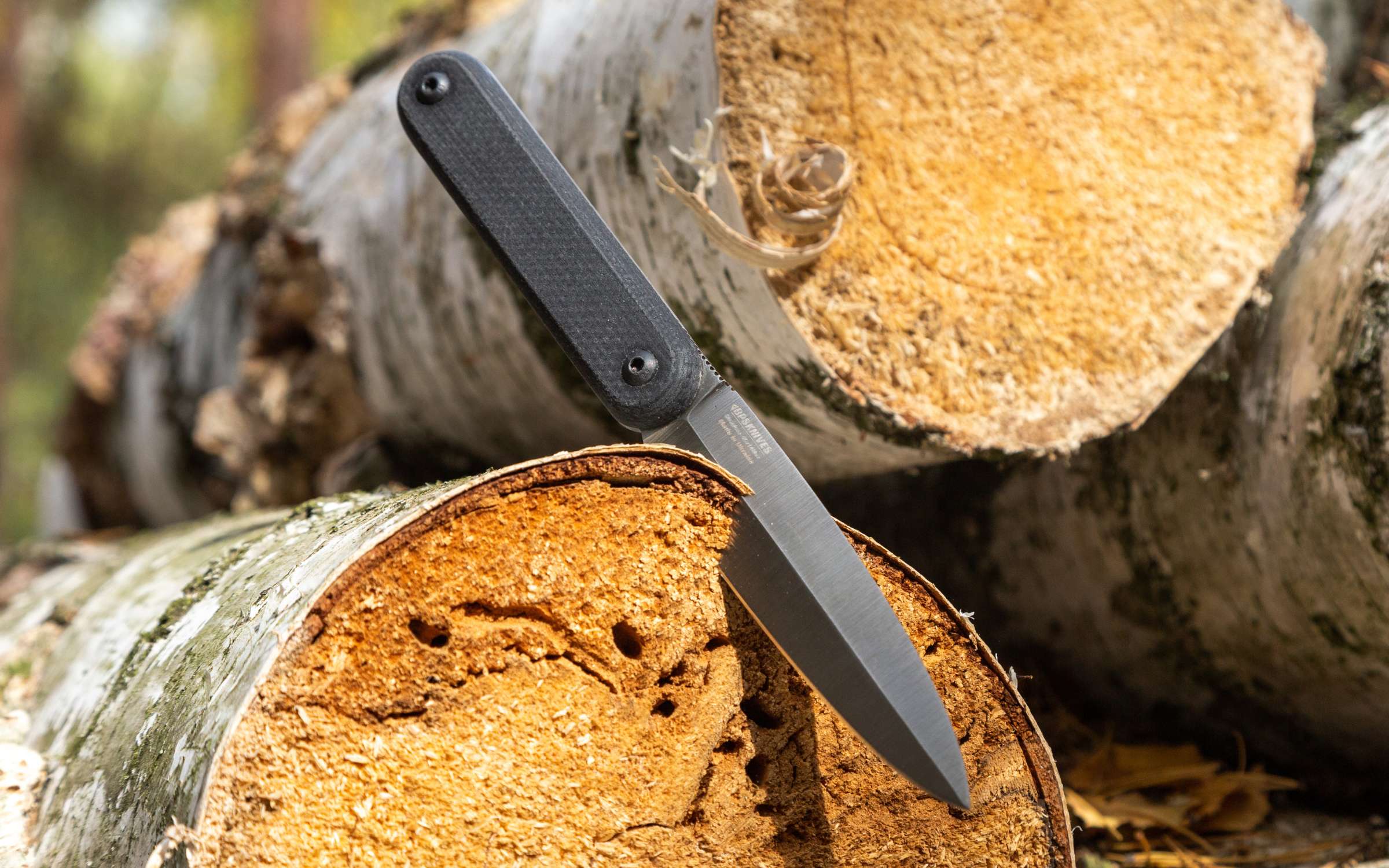
G10
A fiberglass laminate is known for its strength, water resistance, and grippiness.
Micarta
A layered composite of linen, canvas, or paper with resin, known for its durability, water resistance, and variety of colors and patterns.
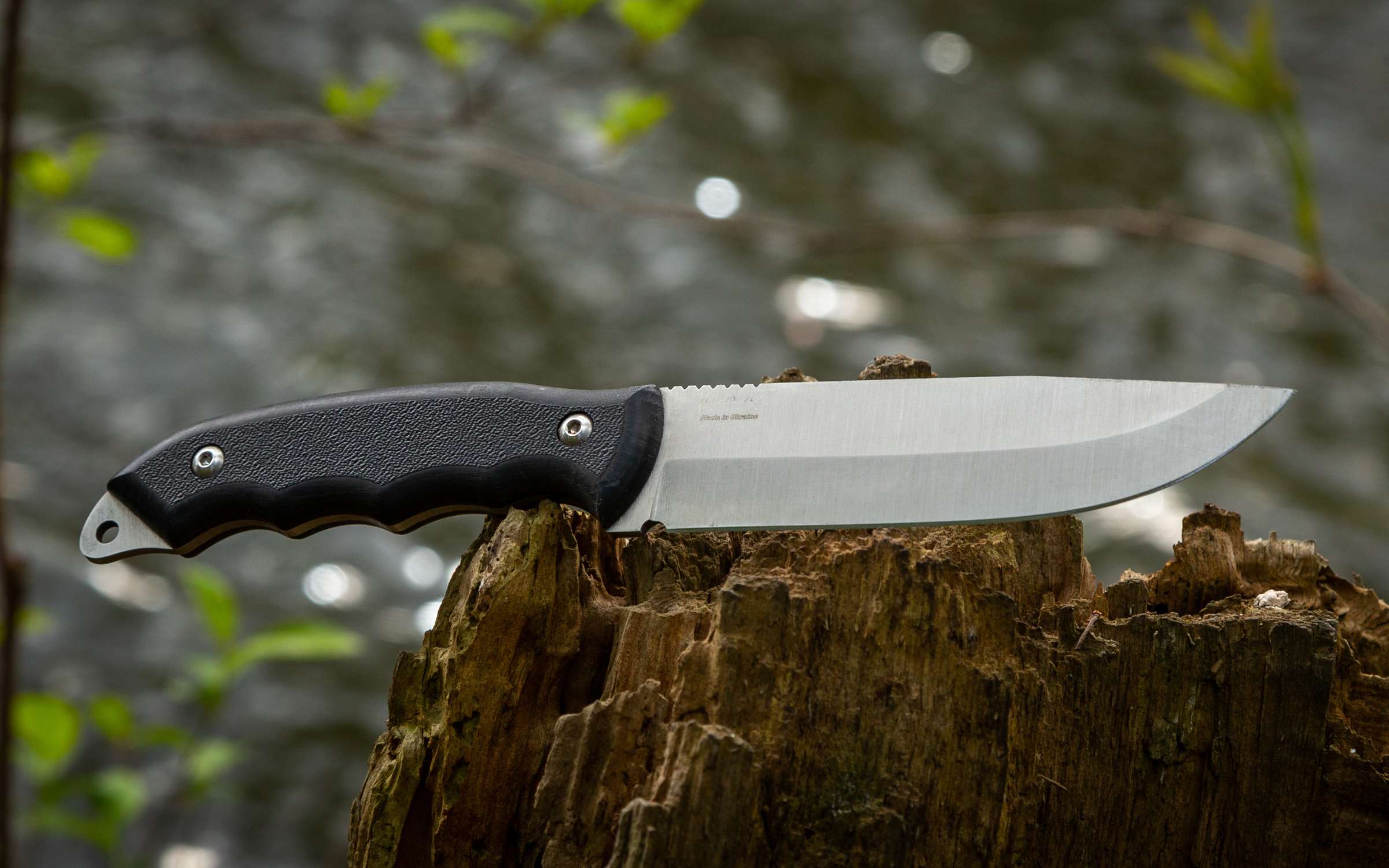
Plastic and Rubber Knife Handles
Lightweight, affordable, and low-maintenance, plastic and rubber handles are often found on everyday carry (EDC) knives. However, they may not offer the same comfort or aesthetics as other materials.
Exotic Knife Handles
Bone, horn, and other exotic materials like stag and camel bone offer a unique and luxurious look. They are durable and water-resistant, but can be expensive and require special care.
Final Thoughts
Choosing the right knife handle type depends on your individual needs and preferences. Consider factors like:
- Durability and maintenance: How often are you willing to care for the handle?
- Grip and comfort: How important is a comfortable and secure grip?
- Weight and aesthetics: Do you prefer a lightweight handle or a specific look?
By understanding the different micarta knife and their properties, you can make an informed decision that complements your cooking style and personal preferences.