
When choosing a knife blade, it is highly recommended to know the specific traits of each one and the way it changes its uses. Drop point blade shape is pretty popular due to its various uses, and its practical construction. However, it’s worth learning its pros and cons, and the way it defers from other blade shapes. Let’s talk about drop point knife blades, the specifics of this blade shape, and the best possible uses.
What Is a Drop Point Blade?
Drop point refers to a style of blade that has a convex curve on the spine that slopes downward towards the point. Thanks to this design, the drop point is a strong, versatile, and functional blade profile.
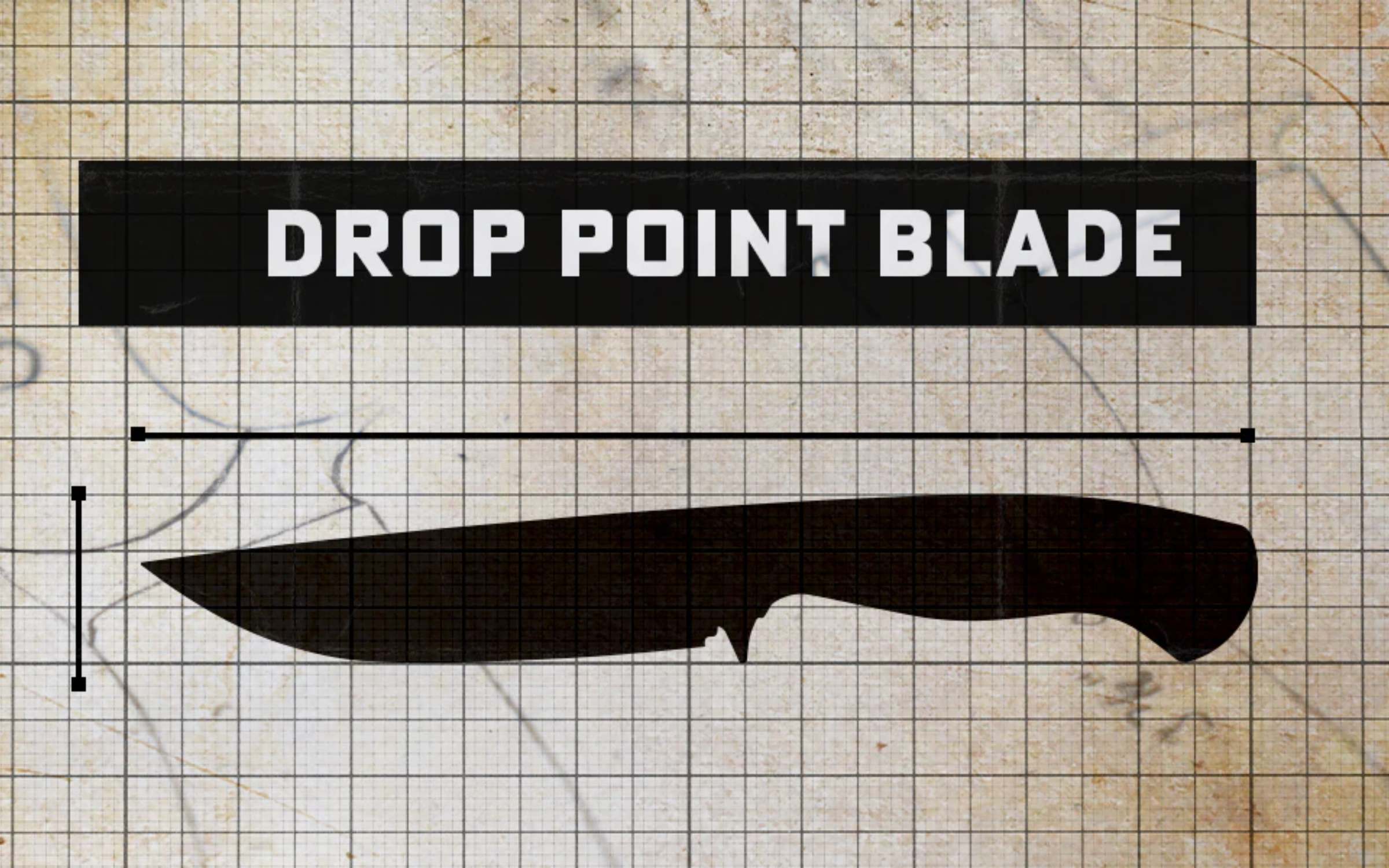 Photo from montanaknifecompany.com
This blade shape is commonly found in different knives, including hunting knives, everyday carry (EDC) knives, and tactical knives. The drop point design provides a larger belly for slicing and a robust tip that is less prone to breaking than finer points, making it suitable for a wide range of tasks. From preparing campfire meals to tactical applications and everyday tasks like opening packages, the drop point blade excels in its versatility.
The drop point blade’s utilitarian nature is also complemented by its aesthetic appeal. Its smooth, consistent curve offers a sleek look that appeals to many users, making it not only a practical choice but also a stylish one.
Pros of Drop Point Blades
Control
The drop point blade’s design allows for better control during precise tasks, such as skinning game or detailed carving. The tip’s location is more centralized, providing users with improved accuracy and control over the blade’s point, which is essential for tasks that require finesse.
Sturdy Tip
The drop point blade design includes a thick, curved spine that gradually tapers to a robust tip. This structure enhances the overall strength of the blade, making it suitable for heavy-duty tasks without risking breakage or damage.
Cutting Surface
The design of drop point blades often provides a larger belly compared to other blade shapes. This enlarged cutting surface is ideal for slicing motions, making the blade highly efficient for cutting through materials smoothly and effectively.
Easier Maintenance
The straightforward design of drop point blades makes them easier to maintain and sharpen. The lack of intricate curves or points simplifies the sharpening process, allowing users to efficiently maintain the blade’s edge without specialized tools or techniques.
Cons of Drop Point Blades
However, drop point blade shape also has its specific cons. It doesn’t mean the blade cannot be used, it just means you need to consider them when using your knife as these cons will affect the performance and results of your work.
Less Piercing Ability
While drop point blades, and especially drop point fixed blades, are versatile, they may not be as effective for piercing as knives with more acute tips, such as tanto or needlepoint blades. This is why you need to consider the potential use before choosing a knife.
Generalized Nature
The drop point blade is celebrated for its versatility, but for users with very specific needs or preferences for certain tasks, a more specialized blade type might provide better performance. For example, filleting fish or performing certain tactical tasks may benefit from more task-specific designs.
Choosing the Right Blade Shape
The BPS Knives series features two distinct variations of the drop point blade, catering to different preferences and uses. The first variant, the B1 SSHF, utilizes standard 5Cr14MoV stainless steel. This material offers a balanced combination of durability and resistance to corrosion, making it a reliable choice for everyday tasks where moisture exposure might be a concern.
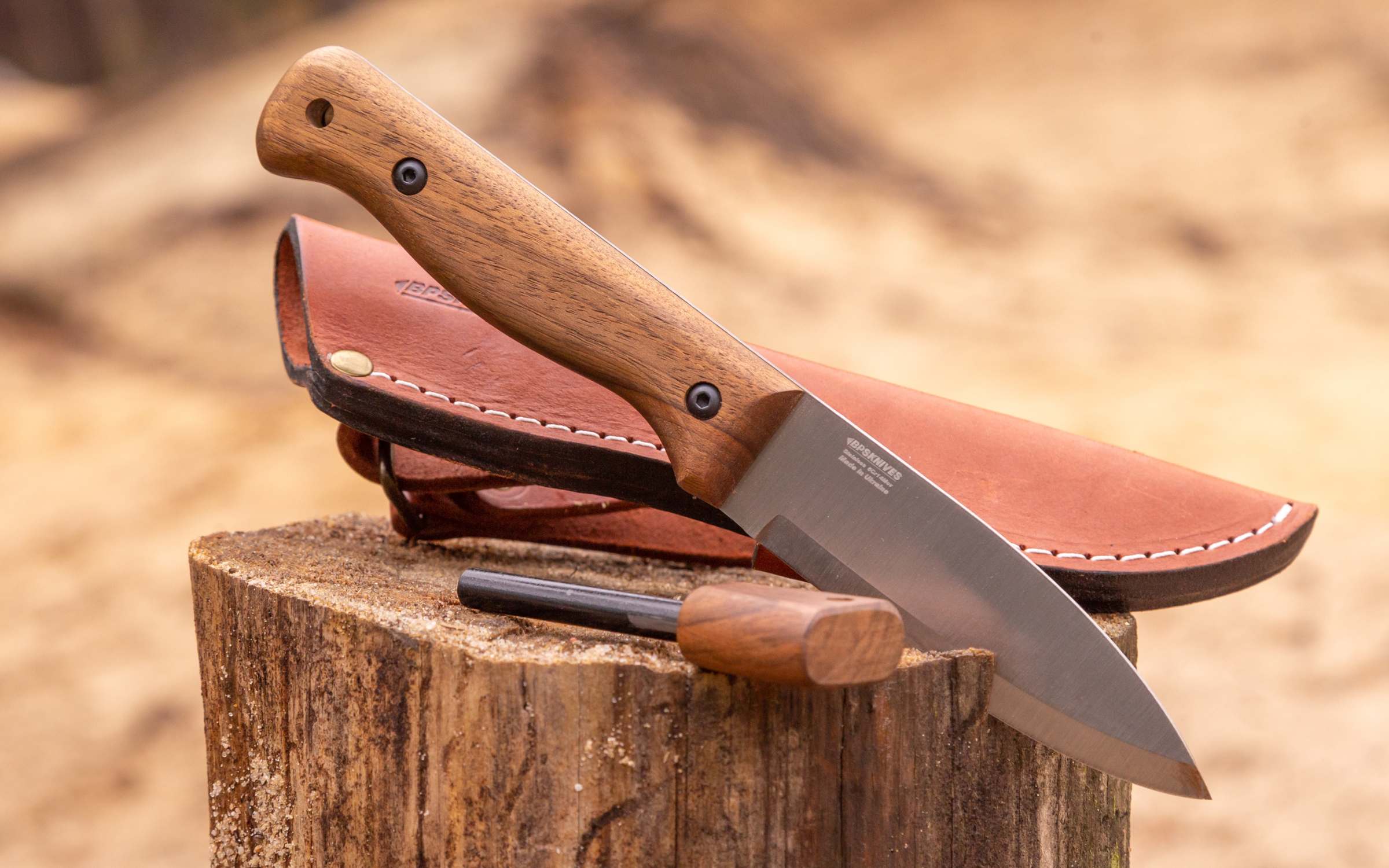
On the other hand, the B1 CSH is crafted from 1066 carbon steel, a material recognized for its ability to retain a sharp edge. Hardened to 57-59 HRC, this version emphasizes edge retention and ease of sharpening, traits highly valued in more demanding or outdoor settings.
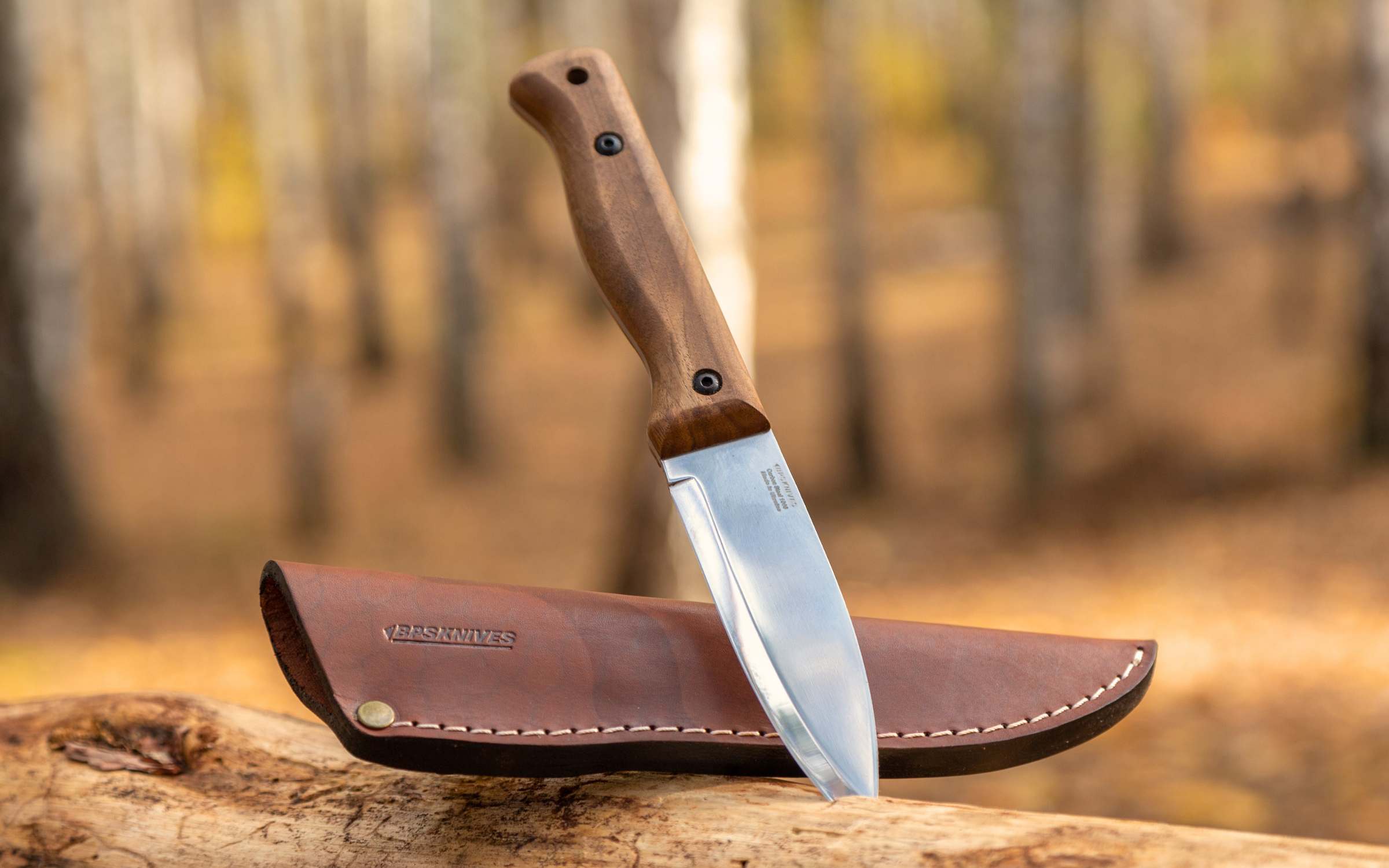
Both models retain the hallmark drop point design, known for its utility and strength, making them versatile tools for a variety of cutting tasks. Whether prioritizing resistance to environmental elements with the B1 SSHF or opting for the enhanced edge performance of the B1 CSH, both knives stand as solid choices within the BPS Knives range.
Conclusion
There are certain reasons for the popularity of drop point blades, including their construction and abilities. Whether you carry your knife as an EDC or use it for hunting, these blades are also highly practical and allow you to have maximum support for your actions. Due to its numerous benefits, and the fact that this blade shape is widespread, it is evolving and, with some time spent on search, you will see different options that are totally worthy of your attention.